National Housing Market Forecast 2026: 7% Price Hike Expected
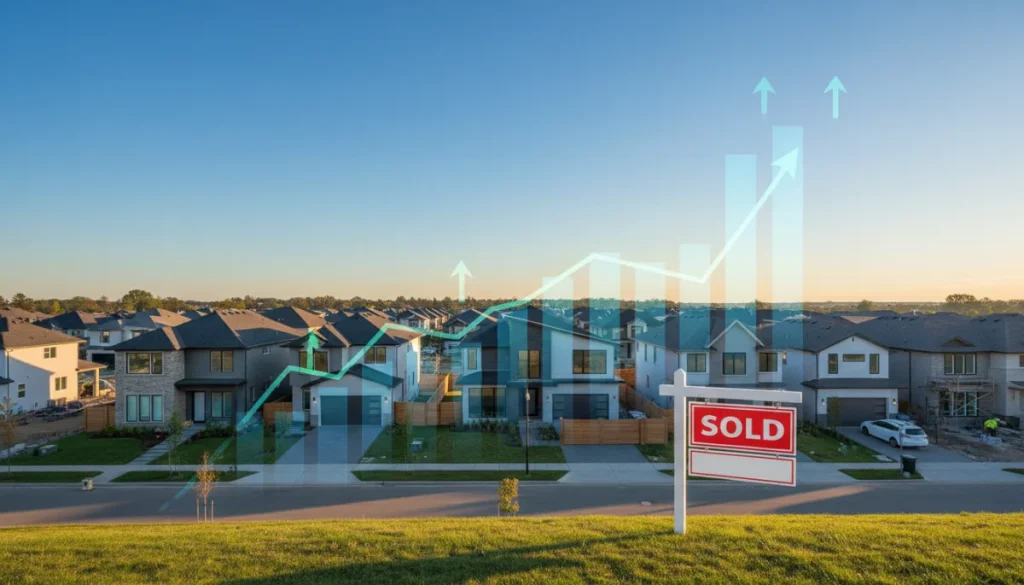
The 2026 national housing market is projected to see a 7% increase in median home prices by year-end, driven by persistent demand, limited inventory, and evolving economic factors, impacting both buyers and sellers.
The national housing market forecast 2026 is a topic of intense interest for homeowners, prospective buyers, and investors alike. With experts predicting a notable 7% increase in median home prices by year-end, understanding the underlying dynamics and potential financial impacts is crucial. What forces are shaping this outlook, and how might it affect your real estate decisions?
Understanding the 2026 Housing Market Projections
The 2026 housing market is anticipated to build on trends observed in previous years, characterized by a persistent imbalance between supply and demand. This fundamental economic principle continues to exert upward pressure on home values across the United States. Analysts from leading financial institutions and real estate firms have converged on a consensus, forecasting a significant rise in median home prices.
This projection isn’t merely a guess; it’s a carefully calculated outlook based on a multitude of economic indicators, demographic shifts, and policy decisions. Understanding these foundational elements is key to deciphering the future trajectory of homeownership and investment in the coming year. The market is dynamic, and while general trends emerge, local nuances will always play a critical role.
Key Drivers of Price Appreciation
Several factors are converging to fuel this projected 7% increase. A primary driver is the ongoing shortage of available homes for sale. Despite efforts to boost construction, new housing starts have struggled to keep pace with population growth and household formation. This scarcity intensifies competition among buyers, pushing prices higher.
- Limited Inventory: A chronic shortage of homes, particularly in desirable urban and suburban areas, remains a significant challenge.
- Strong Buyer Demand: Demographic shifts, including a large cohort of millennials entering peak homebuying years, sustain robust demand.
- Inflationary Pressures: Broader economic inflation contributes to rising material and labor costs for new construction, translating to higher home prices.
- Wage Growth: Sustained wage growth in many sectors provides prospective buyers with increased purchasing power, albeit often offset by higher interest rates.
Furthermore, evolving work-from-home policies continue to influence where and how people want to live, driving demand in previously less-sought-after regions. This decentralization of the workforce expands the competitive landscape, making the market more broadly competitive.
In conclusion, the 2026 housing market is set for continued growth, primarily due to an enduring supply-demand imbalance and supportive economic conditions. These factors create a challenging but potentially rewarding environment for participants.
Economic Factors Shaping Home Prices in 2026
The economic landscape in 2026 will undoubtedly play a pivotal role in shaping home prices. Interest rates, inflation, and employment figures are all critical components that influence affordability and buyer sentiment. These macroeconomic forces interact in complex ways, sometimes creating headwinds and other times providing tailwinds for the housing sector.
While the Federal Reserve’s monetary policy aims for stability, its decisions on interest rates have immediate and profound effects on mortgage rates. Higher rates can cool demand by increasing monthly payments, while lower rates can stimulate it. The delicate balance between controlling inflation and fostering economic growth will be a constant consideration.
Interest Rates and Mortgage Affordability
Mortgage rates are a cornerstone of housing affordability. While they have fluctuated, the general expectation for 2026 is that they will remain elevated compared to the historically low rates seen in the early 2020s. This means buyers will continue to face higher borrowing costs, which can impact their purchasing power and the types of homes they can afford.
However, the market has shown remarkable resilience even with higher rates. Many buyers have adapted by seeking smaller homes, looking in more affordable regions, or leveraging accumulated equity from previous sales. Lenders are also innovating with new products to help buyers navigate this environment.
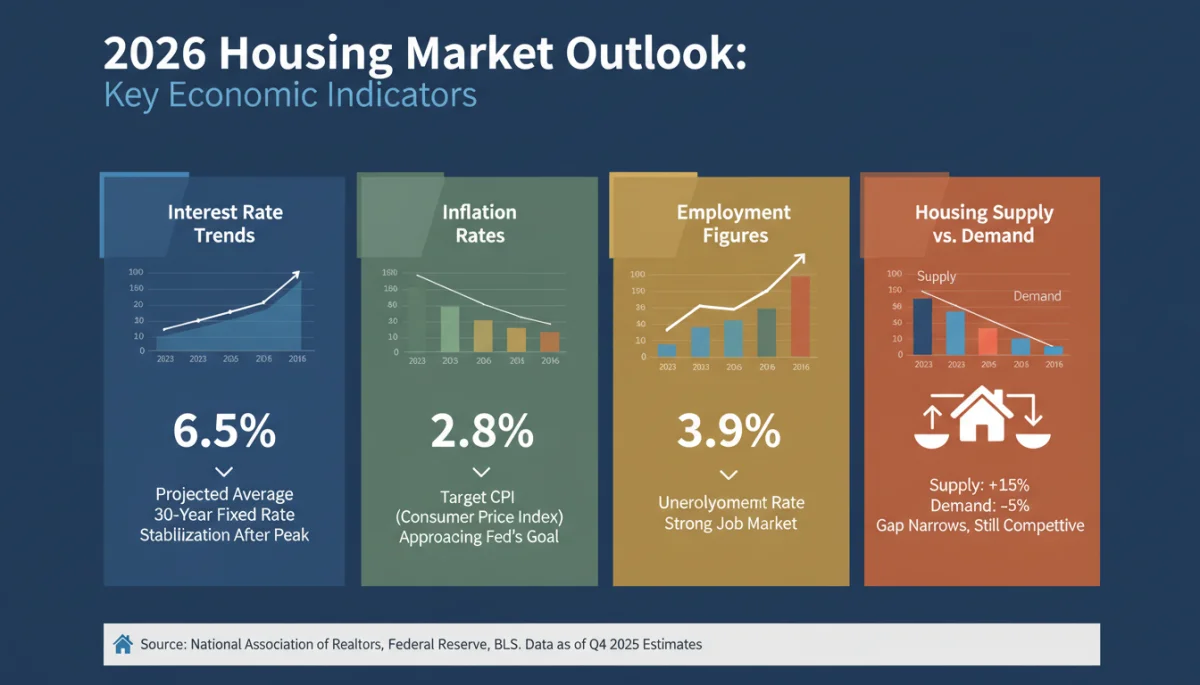
Inflation, while showing signs of moderation, still impacts the cost of living and, by extension, the ability of households to save for down payments. Persistent inflation can erode real wages, making homeownership a more distant dream for some. Conversely, a stable inflation environment allows for more predictable budgeting and financial planning.
Employment remains a strong positive factor. A robust job market, characterized by low unemployment and steady wage growth, provides the financial stability necessary for individuals to commit to large purchases like a home. Without secure employment, even favorable interest rates would do little to stimulate demand.
In summary, the interplay of interest rates, inflation, and employment will be crucial in determining the actual trajectory of the 2026 housing market. While challenges exist, a strong labor market provides a solid foundation.
Regional Variations and Hot Markets
While the national housing market forecast 2026 predicts a 7% increase, it’s essential to recognize that real estate is inherently local. Not all regions will experience the same rate of appreciation, and some areas may even see different trends altogether. Understanding these regional variations is vital for both buyers and sellers to make informed decisions.
Certain metropolitan areas and states are consistently identified as ‘hot markets’ due to factors like strong job growth, attractive amenities, and continued migration trends. These areas often outpace national averages in terms of price appreciation and competition.
Emerging Growth Hubs
Several regions are expected to be front-runners in home price growth in 2026. These typically include areas with burgeoning tech sectors, expanding healthcare industries, or those experiencing significant population inflows from more expensive coastal cities. The Sun Belt states, for instance, continue to attract residents seeking lower costs of living and warmer climates.
- Southeast: Cities in Florida, Georgia, and the Carolinas are expected to maintain strong demand due to population migration and job creation.
- Southwest: Arizona, Texas, and Nevada continue to be attractive for their affordability relative to California and their growing economies.
- Mountain West: States like Idaho and Montana, while perhaps seeing a moderation from their peak pandemic-era growth, still offer appeal for those seeking lifestyle changes.
Conversely, some markets might experience more modest growth or even slight corrections. These could include areas with declining populations, oversupply of housing, or economies heavily reliant on struggling industries. It’s crucial for prospective buyers and sellers to research local market conditions thoroughly, beyond national headlines.
Local zoning laws, infrastructure development, and community planning also play a significant role in shaping regional market dynamics. Areas with proactive development and good schools tend to retain higher property values and attract more buyers.
Ultimately, while a national average provides a broad stroke, successful real estate strategies in 2026 will require a deep dive into specific regional and even neighborhood-level data to identify true opportunities and risks.
Impact on Buyers: Navigating a Competitive Landscape
For prospective buyers, the 2026 housing market presents a complex and competitive environment. A projected 7% increase in median home prices means that entry points will be higher, and the need for careful financial planning becomes even more critical. Navigating this landscape requires strategic thinking and often, a degree of flexibility.
Affordability will remain a central challenge, especially for first-time homebuyers. Higher prices combined with elevated interest rates can stretch budgets, making it harder to qualify for mortgages or to find suitable properties within a desired price range.
Strategies for Prospective Homebuyers
To succeed in this competitive market, buyers might need to adjust their expectations and employ smart tactics:
- Get Pre-Approved: A strong mortgage pre-approval demonstrates serious intent and strengthens offers in a competitive bidding situation.
- Be Flexible with Location: Expanding search parameters to include slightly less competitive neighborhoods or even adjacent towns can uncover more affordable options.
- Consider Smaller Homes or Fixer-Uppers: Properties requiring some renovation often come at a lower price point, offering an opportunity to build equity.
- Save Aggressively: A larger down payment can reduce the loan amount, leading to lower monthly payments and potentially better interest rates.
Furthermore, understanding the local market nuances is paramount. Working with an experienced local real estate agent who has a pulse on inventory, pricing trends, and upcoming developments can provide a significant advantage. They can offer insights into off-market opportunities or guide buyers on crafting compelling offers.
Patience is also a virtue. While the market is competitive, being rushed into a decision can lead to buyer’s remorse. Waiting for the right property that aligns with both financial capabilities and lifestyle needs is crucial, even if it takes a bit longer.
In conclusion, while the 2026 market will test buyers, proactive planning, flexibility, and expert guidance can pave the way to successful homeownership.
Impact on Sellers: Maximizing Value in a Rising Market
Sellers in the 2026 housing market are positioned to benefit from the projected 7% increase in median home prices. This environment generally favors sellers, allowing them to potentially achieve higher sale prices and quicker transactions. However, even in a strong market, strategic planning is essential to maximize value and ensure a smooth selling process.
While demand is high, buyers are also more discerning due to increased costs. Homes that are well-maintained, appropriately priced, and effectively marketed will stand out and command the best offers. Overpricing, even in a hot market, can deter potential buyers.
Optimizing Your Home for Sale
To capitalize on the favorable market conditions, sellers should consider several key steps:
- Strategic Pricing: Work with an agent to set a competitive price that reflects recent comparable sales and market demand, avoiding the temptation to overprice.
- Home Improvements: Focus on high-return renovations such as kitchen and bathroom updates, fresh paint, and curb appeal enhancements. These can significantly increase perceived value.
- Professional Staging: A well-staged home allows buyers to envision themselves living in the space, often leading to quicker sales and better offers.
- Effective Marketing: Utilize professional photography, virtual tours, and targeted online marketing to reach a broad audience of potential buyers.
Sellers should also prepare for a potentially fast-paced process, including multiple offers and tight deadlines. Having all necessary documentation in order, such as property disclosures and inspection reports, can streamline the closing process.
Understanding the buyer pool in your specific area is also beneficial. Are you targeting first-time buyers, growing families, or empty nesters? Tailoring your marketing and home presentation to appeal to your ideal buyer can yield better results.
In essence, the 2026 market offers a golden opportunity for sellers. By preparing their homes meticulously and employing smart selling strategies, they can effectively leverage the anticipated price appreciation to their advantage.
Forecasting Beyond 2026: Long-Term Outlook and Stability
While the immediate focus is on the national housing market forecast 2026, it’s also prudent to consider the longer-term outlook. Real estate is a cyclical industry, and understanding potential shifts beyond the immediate year can help individuals make more sustainable financial decisions. The question of market stability beyond a 7% price increase is a natural one.
Experts generally agree that while growth may moderate, a significant market crash similar to 2008 is unlikely. The underlying fundamentals, such as stricter lending standards and a persistent housing shortage, provide a more stable foundation than in previous boom-and-bust cycles. However, sustained rapid price growth is not always healthy for market longevity.
Factors Influencing Long-Term Stability
Several elements will shape the housing market’s trajectory in the years following 2026:
- Construction Pace: The ability of builders to increase housing supply to meet demand will be crucial in moderating price increases.
- Demographic Shifts: The ongoing entry of younger generations into homeownership and the evolving needs of older generations will continue to drive demand.
- Economic Growth: Sustained, healthy economic growth, coupled with controlled inflation, provides the best environment for a stable housing market.
- Government Policies: Policies related to zoning, affordable housing, and mortgage interest rates can significantly influence market dynamics.
Technological advancements in construction, such as modular homes and 3D printing, could potentially accelerate supply in the long run, offering more affordable housing options. However, these innovations still face hurdles in widespread adoption.
The global economic environment, including geopolitical events and supply chain stability, will also play an indirect role. These external factors can influence inflation, interest rates, and overall consumer confidence, all of which ripple through the housing market.
In conclusion, while 2026 looks strong for price appreciation, the long-term health of the housing market hinges on a balanced approach to supply, demand, and economic management. Continued vigilance and adaptability will be key for all market participants.
| Key Aspect | Brief Description |
|---|---|
| Price Forecast | Median home prices projected to increase by 7% nationally by year-end 2026. |
| Key Drivers | Limited inventory, strong buyer demand, and sustained wage growth are primary factors. |
| Economic Influence | Interest rates, inflation, and employment levels significantly shape market affordability. |
| Market Impact | Competitive for buyers, favorable for sellers, with regional variations expected. |
Frequently Asked Questions About the 2026 Housing Market
Experts forecast a 7% increase in median home prices across the United States by the end of 2026. This projection is based on current economic indicators, supply-demand dynamics, and demographic trends shaping the real estate sector.
Key drivers include a persistent shortage of housing inventory, robust buyer demand from demographic shifts, ongoing inflationary pressures affecting construction costs, and steady wage growth supporting purchasing power for many households.
While specific rates can fluctuate, they are expected to remain elevated compared to historical lows. This means higher borrowing costs for homebuyers, impacting affordability and requiring careful financial planning and possibly adjusting expectations for property size or location.
Yes, the national 7% increase is an average. Hot markets, particularly in the Sun Belt and growing tech hubs, may see higher appreciation, while other regions could experience more moderate growth or even localized corrections due to unique economic or demographic factors.
Sellers are in a favorable position but should focus on strategic pricing, making high-return home improvements, professional staging, and effective marketing. These steps can maximize their home’s value and ensure a smooth, quick sale in a competitive environment.
Conclusion
The national housing market forecast 2026 paints a clear picture of continued growth, with a projected 7% increase in median home prices. This outlook is shaped by a confluence of factors, including persistent demand, limited inventory, and various economic influences. While this creates a challenging environment for buyers, demanding strategic planning and adaptability, it offers significant opportunities for sellers to maximize their investments. Understanding these dynamics and the regional variations within the market will be paramount for all participants navigating the real estate landscape in the coming year and beyond.