Social Security Bill HR 1234: Q3 2026 Passage & Impact
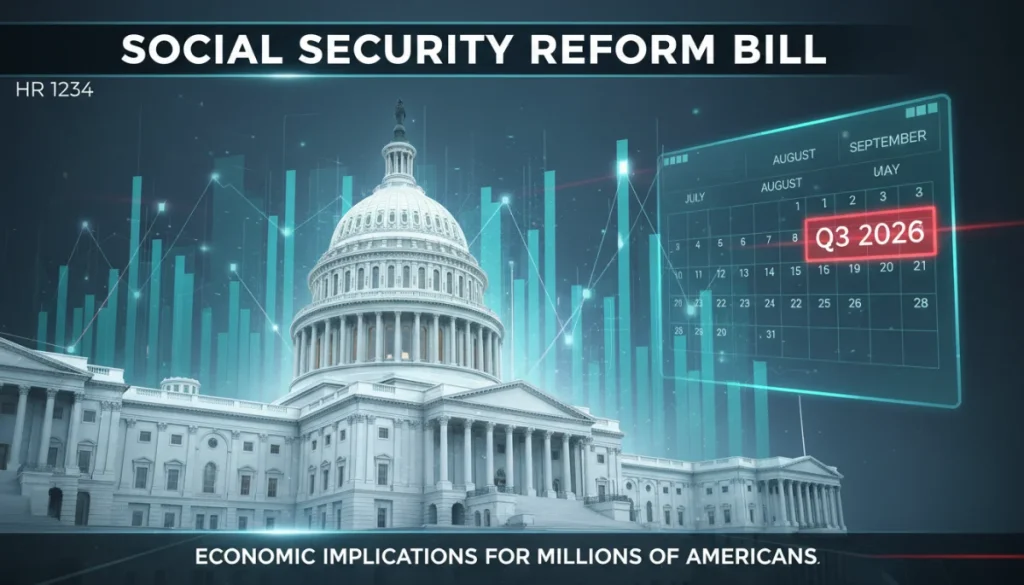
Breaking News: Congressional Bill HR 1234 on Social Security Reform Expected to Pass by Q3 2026, Impacting 65 Million Americans is poised to reshape retirement planning and benefits for millions.
The landscape of retirement planning in the United States is on the cusp of a significant transformation. As Breaking News: Congressional Bill HR 1234 on Social Security Reform Expected to Pass by Q3 2026, Impacting 65 Million Americans dominates headlines, millions are asking what this means for their financial future. This pivotal legislation aims to address the long-term solvency of Social Security, a program vital to the well-being of over 65 million Americans. Understanding the nuances of this bill, its proposed changes, and the timeline for implementation is crucial for every citizen, from current retirees to those just entering the workforce.
The urgent need for social security reform
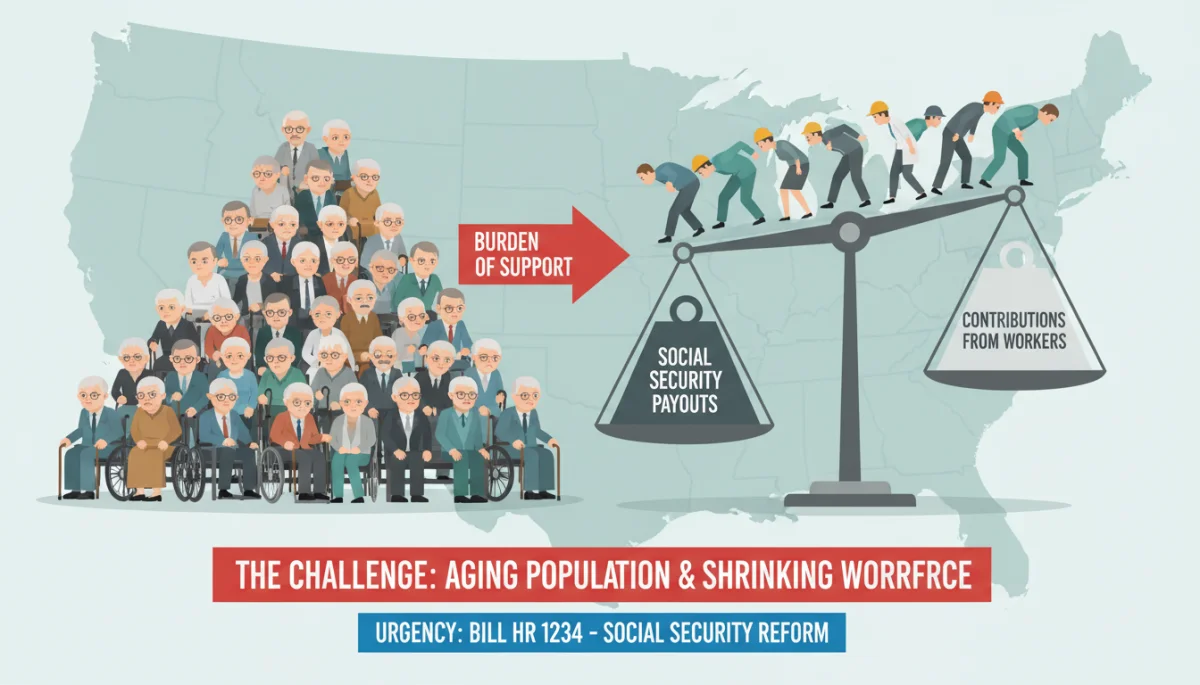
Social Security, established in 1935, has served as a bedrock of financial security for American retirees, disabled individuals, and survivors. However, demographic shifts and economic realities have placed increasing strain on the system. The ratio of workers contributing to beneficiaries drawing benefits has steadily declined, creating a fiscal imbalance that necessitates reform.
Experts have warned for years that without legislative intervention, the Social Security trust funds would eventually be depleted, leading to automatic benefit cuts. This looming crisis has spurred Congress to act, culminating in the introduction of Bill HR 1234. The urgency stems from projections indicating that without changes, the program’s ability to pay full benefits could be compromised within the next decade.
Demographic pressures and the trust fund
- Aging Population: The Baby Boomer generation is now largely retired, increasing the number of beneficiaries.
- Lower Birth Rates: Subsequent generations have had fewer children, reducing the number of new workers entering the system.
- Increased Longevity: People are living longer, meaning they collect benefits for an extended period.
- Wage Stagnation: Slower wage growth impacts the amount of tax revenue flowing into the system.
The confluence of these factors has created a challenging environment for Social Security’s long-term sustainability. Bill HR 1234 seeks to mitigate these pressures, ensuring that future generations can still rely on the program. The debate around this bill has been intense, reflecting the profound impact it will have on American families and the national economy.
Understanding the fundamental challenges facing Social Security provides essential context for appreciating the necessity and potential implications of Bill HR 1234. The proposed reforms are not merely bureaucratic adjustments but critical measures designed to safeguard a program that touches almost every American household.
Key provisions of Bill HR 1234: what to expect
Congressional Bill HR 1234 introduces a series of significant changes aimed at shoring up Social Security’s finances. While the final text is still subject to potential amendments before its anticipated passage by Q3 2026, several core provisions have emerged as central to the reform efforts. These provisions touch upon various aspects of the program, from eligibility criteria to benefit calculations and revenue generation.
One of the most discussed elements is the potential adjustment to the full retirement age. While a politically sensitive topic, raising the age at which individuals can claim unreduced benefits is often cited as a necessary step to align the program with increased life expectancies. Such a change would likely be phased in over several years, affecting younger workers more directly than those nearing retirement.
Proposed changes and their rationale
- Adjustments to Retirement Age: Gradually increasing the full retirement age to reflect longer lifespans, aiming to reduce the total payout period for future retirees.
- Benefit Calculation Modifications: Revisions to the formula used to calculate initial benefits, potentially impacting the growth rate of future payments.
- Revenue Enhancements: Exploring options such as increasing the Social Security tax rate or raising the cap on earnings subject to Social Security taxes to boost incoming funds.
- Means Testing for Benefits: Consideration of proposals to reduce benefits for high-income retirees, though this remains a contentious point.
These proposed changes are designed to create a more sustainable financial model for Social Security. Each provision carries its own set of advantages and disadvantages, and the legislative process involves complex negotiations to balance fiscal responsibility with social equity. The ultimate goal is to ensure the program’s solvency for decades to come, preventing a scenario where current and future retirees face unexpected shortfalls.
The provisions within Bill HR 1234 represent a concerted effort to modernize Social Security in the face of evolving demographic and economic realities. Their implementation will require careful planning and communication to help millions of Americans adapt to the new framework.
Timeline and legislative process: Q3 2026 passage
The journey of Bill HR 1234 through Congress has been a meticulous and often challenging one. The expectation of its passage by Q3 2026 is based on a combination of legislative momentum, bipartisan negotiations, and the pressing need for reform. Understanding this timeline and the process involved is crucial for appreciating the gravity of the impending changes.
After initial committee hearings and markups, the bill is expected to move to a floor vote in the House of Representatives. Should it pass there, it will then proceed to the Senate, where it will undergo further scrutiny, potential amendments, and another vote. The Q3 2026 target indicates a period of intense legislative activity, with lawmakers working to finalize the bill’s language and secure the necessary votes.
Key legislative milestones
- Committee Review: Extensive debate and amendments within relevant House and Senate committees.
- House Vote: Passage in the House of Representatives, often a critical hurdle for major legislation.
- Senate Deliberation: Further debate, potential filibuster threats, and the need for a supermajority in some cases.
- Conference Committee: If House and Senate versions differ, a conference committee will reconcile the two bills.
- Presidential Assent: The final, unified bill will be sent to the President for signature, enacting it into law.
The legislative process is inherently complex, with numerous opportunities for amendments and political maneuvering. The anticipated Q3 2026 passage reflects a growing consensus among lawmakers that delaying reform is no longer an option. This timeline also allows for a period of public awareness and preparation before the changes take effect.
The meticulous progression of Bill HR 1234 through the legislative system underscores the importance of these reforms. The Q3 2026 target is not merely a date but a deadline for safeguarding the future of Social Security.
Financial impact on 65 million americans
The most immediate and profound concern for many Americans is the financial impact of Bill HR 1234. With 65 million individuals currently receiving Social Security benefits, and millions more planning for their future, understanding how these reforms will affect personal finances is paramount. The changes could manifest in various ways, from adjustments to future benefit amounts to shifts in retirement planning strategies.
For current retirees, the bill aims to protect existing benefits as much as possible, though some adjustments to cost-of-living allowances (COLAs) or taxation of benefits might be considered. For those still in the workforce, especially younger generations, the impact could be more significant, potentially involving a later retirement age or a modified benefit formula.
Who will be most affected?
- Near-Retirees (ages 55-64): May face a slightly increased full retirement age or minor adjustments to initial benefit calculations.
- Mid-Career Workers (ages 35-54): More likely to experience a phased-in increase in the full retirement age and potential changes to how their lifetime earnings are factored into benefits.
- Younger Workers (under 35): Could see the most substantial changes, including a higher full retirement age and a restructured benefit system, requiring earlier and more aggressive personal savings.
- High-Income Earners: Might see an increase in the earnings cap subject to Social Security taxes, or even some form of means testing.
The financial implications extend beyond just benefit checks. These reforms will necessitate a reevaluation of individual retirement strategies, emphasizing the importance of diversified savings, private pensions, and other investment vehicles. Financial advisors are already bracing for an influx of questions from clients seeking to understand and adapt to the new landscape.
Ultimately, Bill HR 1234’s financial impact on 65 million Americans will be multifaceted, requiring individuals to proactively assess their situations and adjust their financial planning accordingly to ensure a secure retirement.
Recent updates and expert analysis
The legislative process for Bill HR 1234 is dynamic, with new developments and expert analyses emerging regularly. Keeping abreast of these updates is essential for a comprehensive understanding of the bill’s trajectory and potential final form. Recent discussions have focused on the political feasibility of various provisions and the economic models predicting their long-term effects.
Congressional leaders have indicated a strong commitment to passing a reform bill, citing the imperative to stabilize the system. Economists and policy analysts have offered varying perspectives, with some praising the bill’s comprehensive approach and others raising concerns about its potential impact on vulnerable populations. These ongoing debates shape public opinion and influence the final legislative outcome.
Key insights from recent discussions
- Bipartisan Compromise: Reports suggest increased willingness from both sides of the aisle to find common ground on contentious issues like the full retirement age and revenue increases.
- Economic Projections: Updated actuarial reports indicate that certain combinations of reforms could extend the trust fund’s solvency for an additional 25-30 years.
- Public Opinion: Surveys show a general understanding among the public that Social Security reform is necessary, though specific proposals often face mixed reactions.
- Implementation Challenges: Experts are also analyzing the practicalities of implementing such widespread changes, including necessary updates to government systems and public education campaigns.
The continuous flow of information, from legislative maneuvers to expert opinions, paints a clearer picture of Bill HR 1234. These updates are crucial for stakeholders, policymakers, and the public to stay informed and anticipate the final shape of the reform. The detailed scrutiny ensures that the bill, once passed, is robust and effective in its objectives.
Recent updates and expert analysis highlight the complex interplay of politics, economics, and social welfare inherent in reforming a program as fundamental as Social Security. This ongoing discourse is vital for ensuring a well-informed legislative process.
Preparing for the changes: strategies for americans
With the anticipated passage of Bill HR 1234 by Q3 2026, it is imperative for all Americans to begin preparing for the impending changes. Proactive planning can mitigate potential negative impacts and ensure a more secure financial future. This involves a combination of understanding the reforms, adjusting personal financial strategies, and seeking professional guidance.
One of the most crucial steps is to review your current retirement savings and projections. If the full retirement age is increased, or if future benefits are adjusted, you may need to increase your contributions to 401(k)s, IRAs, or other investment accounts. Diversifying your retirement portfolio and considering various income streams beyond Social Security will become even more important.
Actionable steps for financial planning
- Review Your Social Security Statement: Understand your estimated benefits under current law and consider how potential changes might affect them.
- Consult a Financial Advisor: Seek personalized advice on how Bill HR 1234 might impact your specific situation and adjust your retirement plan accordingly.
- Increase Personal Savings: If possible, boost contributions to retirement accounts to build a larger safety net independent of Social Security.
- Explore Other Income Streams: Consider part-time work in retirement, rental income, or other investments to supplement your Social Security benefits.
- Stay Informed: Continue to follow legislative updates and expert analyses regarding the bill’s final provisions and implementation details.
These strategies are designed to empower individuals to take control of their financial destinies in the face of significant policy changes. The goal is not just to react to the reforms but to proactively build a robust financial plan that accounts for a potentially altered Social Security landscape.
Preparing for the changes introduced by Bill HR 1234 is a critical step for all Americans. By adopting a proactive and informed approach to financial planning, individuals can navigate these reforms successfully and secure their long-term well-being.
| Key Point | Brief Description |
|---|---|
| Bill HR 1234 Passage | Expected by Q3 2026 to address Social Security solvency. |
| Impacted Americans | Affects 65 million beneficiaries and future retirees. |
| Key Reforms | Includes adjustments to retirement age, benefit calculations, and revenue. |
| Preparation Needed | Review finances, consult advisors, and increase personal savings. |
Frequently asked questions about social security reform
The primary goal of Congressional Bill HR 1234 is to ensure the long-term solvency of the Social Security program. It aims to address the financial challenges posed by demographic shifts and economic factors, preventing future benefit shortfalls for millions of Americans who rely on the system for their financial security.
Bill HR 1234 is currently expected to pass Congress by the third quarter of 2026 (Q3 2026). The exact effective date of its provisions will likely be staggered, with some changes taking effect immediately after enactment and others phased in over several years to allow for public adjustment.
While specific details are still under negotiation, Bill HR 1234 may propose a gradual increase in the full retirement age. This adjustment would primarily affect younger workers and those further from retirement, aligning the age with increased life expectancies and aiming to reduce the total period over which benefits are paid.
The bill’s primary objective is to protect current beneficiaries. While direct cuts to existing payments are generally avoided due to political and social sensitivities, some adjustments, such as modifications to cost-of-living allowances (COLAs) or changes in the taxation of benefits, could be considered for all recipients.
To prepare, review your Social Security statement, consult a financial advisor to assess your retirement plan, and consider increasing personal savings in 401(k)s or IRAs. Staying informed about the bill’s final provisions and diversifying your income streams for retirement are also crucial steps.
Conclusion
The impending passage of Breaking News: Congressional Bill HR 1234 on Social Security Reform Expected to Pass by Q3 2026, Impacting 65 Million Americans marks a pivotal moment in the nation’s financial history. This legislation is not merely a bureaucratic adjustment but a fundamental restructuring designed to fortify a program vital to millions. From the urgent need for reform driven by demographic shifts to the specific provisions addressing retirement age and benefit calculations, the bill’s implications are far-reaching. While the legislative journey has been complex, the anticipated Q3 2026 passage underscores a collective commitment to safeguarding Social Security’s future. For individuals, proactive engagement—understanding the changes, adjusting financial strategies, and seeking expert advice—will be key to navigating this new landscape successfully and securing a stable retirement.