Decoding 2026 Social Security Adjustments: What Beneficiaries Need to Know Now
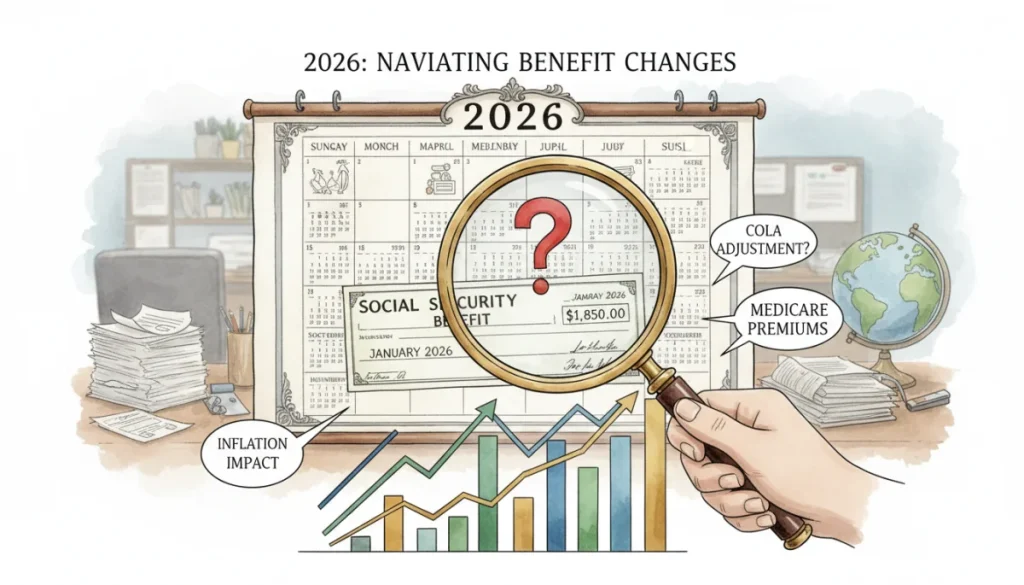
Understanding the 2026 Social Security adjustments is crucial for current and future beneficiaries to effectively plan their finances and navigate changes in benefits, eligibility, and payment schedules.
As we approach 2026, millions of Americans relying on Social Security are keenly awaiting news regarding potential changes. Decoding the 2026 Social Security Adjustments: What Beneficiaries Need to Know Now is not just about numbers; it’s about understanding how these shifts will impact your financial stability and long-term planning. This comprehensive guide will illuminate the critical aspects beneficiaries need to grasp.
Understanding the Cost-of-Living Adjustment (COLA) for 2026
The annual Cost-of-Living Adjustment (COLA) is a critical component of Social Security, designed to ensure that the purchasing power of benefits doesn’t erode due to inflation. Each year, the Social Security Administration (SSA) announces a COLA to adjust benefits, reflecting changes in the cost of living. For 2026, this adjustment will be particularly watched as economic conditions continue to evolve.
COLA calculations are based on the Consumer Price Index for Urban Wage Earners and Clerical Workers (CPI-W). This index measures the average change over time in the prices paid by urban consumers for a market basket of consumer goods and services. The percentage increase in the CPI-W from the third quarter of the previous year to the third quarter of the current year determines the COLA for the following year. While the official 2026 COLA won’t be announced until late 2025, economists and analysts are already making projections based on current inflationary trends and economic forecasts.
How COLA is Calculated
The calculation method for COLA has been a subject of debate for years, with some advocating for alternative indices that might better reflect the spending patterns of seniors. However, for 2026, the CPI-W remains the standard. Understanding this mechanism is vital because it directly influences your benefit amount.
- CPI-W Data: The SSA uses CPI-W data from July, August, and September to determine the COLA.
- Inflation Impact: Higher inflation typically leads to a larger COLA, while lower inflation results in smaller adjustments or even no adjustment in rare cases.
- Historical Context: Reviewing past COLA percentages can provide a general idea, but future adjustments are highly dependent on prevailing economic conditions.
Beneficiaries should closely monitor economic indicators and expert predictions throughout 2025 to gain a clearer picture of what the 2026 COLA might entail. This proactive approach allows for better financial planning and budget adjustments, ensuring that beneficiaries are prepared for any changes to their monthly income.
Eligibility Criteria and Future Changes in 2026
Social Security eligibility is a cornerstone of the program, determining who receives benefits and under what conditions. While the fundamental eligibility requirements are relatively stable, it’s crucial for both current and prospective beneficiaries to understand any potential modifications or nuances that might arise in 2026. These criteria typically revolve around work credits, age, and disability status.
To qualify for Social Security retirement benefits, most individuals need to accumulate 40 work credits, which translates to about 10 years of work. The amount earned for a work credit can change annually. While the framework is generally consistent, legislative discussions often touch upon adjustments that could impact future eligibility, especially as the system faces long-term solvency challenges. It’s important to differentiate between current law and proposed changes that may or may not come to fruition by 2026.
Work Credits and Earning Thresholds
The earning threshold required to earn a work credit is subject to annual review. In 2026, this threshold may see an increase, meaning individuals might need to earn slightly more income to accrue the same number of credits. This is particularly relevant for those nearing retirement age or those who have had intermittent work histories.
- Annual Review: The SSA reviews the work credit earning threshold each year based on national average wage index.
- Impact on New Entrants: Younger workers entering the workforce should be aware of these thresholds to ensure they are on track to qualify for benefits.
- Benefit Calculation: The number of work credits also plays a role in determining the overall benefit amount, alongside lifetime earnings.
Furthermore, discussions around raising the full retirement age (FRA) periodically surface. While no immediate changes to FRA are expected for those retiring in 2026 under current law, it’s a topic that beneficiaries should remain aware of, as future legislative actions could impact later generations. Staying informed about these potential legislative shifts is as important as understanding the current rules to ensure comprehensive financial planning.
Maximum and Minimum Benefit Amounts in 2026
The Social Security program includes both maximum and minimum benefit amounts, which are subject to annual adjustments. These figures are crucial for beneficiaries at both ends of the earnings spectrum, providing a ceiling for high earners and a floor for those with lower lifetime earnings. The 2026 adjustments to these amounts will reflect economic conditions and the overall health of the Social Security trust funds.
The maximum monthly benefit at full retirement age is determined by an individual’s average indexed monthly earnings (AIME) over their 35 highest-earning years. For those with consistently high earnings throughout their careers, the maximum benefit provides a cap on their monthly payout. Conversely, while there isn’t a strict ‘minimum’ benefit in the traditional sense for all retirees, there are provisions like the special minimum benefit for workers with low lifetime earnings but many years of coverage, which also sees annual adjustments.
Factors Influencing Benefit Caps
Several factors contribute to the determination of the maximum benefit amount, including the national average wage index and legislative parameters. Understanding these elements helps beneficiaries project their potential income.
- AIME Calculation: The average indexed monthly earnings are crucial; higher lifetime earnings translate to higher potential benefits, up to the maximum.
- Full Retirement Age: Claiming benefits at full retirement age (FRA) is necessary to receive the maximum benefit for which one qualifies.
- Annual Wage Index: This index impacts the indexing of past earnings, which is a key step in calculating the AIME.
For 2026, both the maximum and any special minimum benefit amounts will likely see increases, primarily driven by the COLA and changes in the national average wage index. Beneficiaries should consult the SSA’s official publications as these figures become available to accurately assess their potential benefit levels and plan accordingly. This foresight is vital for effective financial management.
Impact of Earnings Test on Benefits for 2026
The Social Security earnings test is a significant consideration for beneficiaries who continue to work while receiving benefits before reaching their full retirement age (FRA). This test can lead to a temporary reduction in benefits if earnings exceed certain thresholds. For 2026, understanding how these thresholds might change and how the test operates is essential for beneficiaries to maximize their income without unexpected penalties.
The earnings test applies to those who claim Social Security benefits before their FRA and continue to work. There are two different earnings limits: one for those who will reach FRA in the year, and another for those who will not. Once a beneficiary reaches FRA, the earnings test no longer applies, and they can earn any amount without their benefits being reduced. These earnings limits are adjusted annually based on the national average wage index, meaning the 2026 thresholds will likely be higher than those in previous years.
Navigating Earnings Limits
Successfully navigating the earnings test requires careful planning, especially for those who wish to supplement their Social Security income with continued employment. Being aware of the specific limits for 2026 allows beneficiaries to make informed decisions about their work schedules and income goals.
- Before FRA: If you are under FRA for the entire year, the SSA deducts $1 from your benefits for every $2 you earn above the annual limit.
- In Year of FRA: In the year you reach FRA, the SSA deducts $1 from your benefits for every $3 you earn above a different, higher limit, but only earnings before the month you reach FRA count.
- No Test at FRA: Once you reach your full retirement age, the earnings test no longer applies, and your benefits are not reduced regardless of how much you earn.
The earnings test can seem complex, but understanding its mechanics is crucial. Any benefits withheld due to the earnings test are not lost; they are added back to your monthly benefit amount once you reach your full retirement age. Beneficiaries should monitor the SSA’s announcements for the precise 2026 earnings limits to plan their work-life balance effectively.

Medicare Premium Deductions and Social Security in 2026
For many Social Security beneficiaries, Medicare premiums are automatically deducted from their monthly benefit payments. This direct deduction simplifies the payment process for Medicare Part B and, for some, Part D and Medicare Advantage plans. As we look towards 2026, understanding potential changes in Medicare premiums and their impact on Social Security checks is crucial for budgeting and financial forecasting.
Medicare Part B premiums are adjusted annually, and these adjustments are influenced by a variety of factors, including healthcare costs, utilization rates, and legislative decisions. While the ‘hold harmless’ provision often protects most beneficiaries from a reduction in their net Social Security benefit due to rising Part B premiums, it’s not universally applicable. High-income beneficiaries, new enrollees, and those not receiving Social Security benefits may not be covered by this provision and could face larger premium increases.
The ‘Hold Harmless’ Provision
The ‘hold harmless’ provision is a critical safeguard for many, preventing their net Social Security benefit from decreasing year-over-year due to Medicare premium increases. However, it’s vital to know its limitations and who it applies to.
- Eligibility: Applies to about 70% of beneficiaries, primarily those whose Part B premiums are directly deducted from their Social Security benefits.
- Protection: Ensures that the dollar amount of your Social Security benefit does not decrease from one year to the next due to an increase in your Part B premium.
- Exemptions: Does not apply to high-income beneficiaries (who pay an income-related monthly adjustment amount or IRMAA), new Medicare enrollees, or those who do not have their Part B premiums deducted from Social Security.
For 2026, beneficiaries should be prepared for potential increases in Medicare Part B premiums, which will be announced in late 2025. Those who fall outside the ‘hold harmless’ provision, particularly high-income earners subject to IRMAA, should anticipate higher deductions. Proactive planning and monitoring of these announcements are essential to avoid any surprises concerning net Social Security payments.
Planning for 2026: Strategies for Beneficiaries
Effective financial planning is paramount for Social Security beneficiaries, especially in anticipation of the 2026 adjustments. While the exact figures for COLA, earnings limits, and Medicare premiums are yet to be finalized, a proactive approach can help beneficiaries navigate potential changes and optimize their financial well-being. This involves staying informed, reviewing budgets, and considering various income strategies.
The economic landscape is dynamic, and future adjustments to Social Security will reflect these changes. Therefore, relying solely on past trends or anecdotal evidence is insufficient. Instead, beneficiaries should actively seek official information from the Social Security Administration and reputable financial news sources. This continuous engagement allows for timely adjustments to personal financial plans, ensuring resilience against economic shifts.
Key Planning Strategies
To prepare for 2026, beneficiaries can adopt several strategies to safeguard and enhance their financial situation. These strategies range from detailed budgeting to exploring additional income streams.
- Review Your Budget: Regularly assess your income and expenses. Understand where your money goes and identify areas for potential savings or adjustments.
- Monitor SSA Announcements: Stay updated on official announcements regarding COLA, Medicare premiums, and earnings limits as they are released in late 2025.
- Consider Supplemental Income: If possible, explore options for supplemental income, such as part-time work or investments, to create a buffer against unforeseen changes.
- Consult a Financial Advisor: A financial professional can provide personalized advice based on your specific situation and help you develop a robust financial plan.
Ultimately, preparing for the 2026 Social Security adjustments involves more than just waiting for the numbers. It requires an active role in understanding the program’s mechanisms, anticipating potential changes, and adjusting personal financial strategies accordingly. By taking these steps, beneficiaries can ensure greater financial security and peace of mind in the coming years.
| Key Point | Brief Description |
|---|---|
| COLA 2026 | Annual adjustment to benefits to counteract inflation, based on CPI-W data from Q3 2025. |
| Eligibility Criteria | Requirements like 40 work credits and age remain key, with potential for minor earning threshold changes. |
| Earnings Test | Applies to beneficiaries working before FRA; limits expected to increase, impacting benefit reductions. |
| Medicare Deductions | Part B premiums will likely increase, affecting net Social Security benefits, especially for high-income earners. |
Frequently Asked Questions About 2026 Social Security Adjustments
The primary factor influencing the 2026 Cost-of-Living Adjustment (COLA) is the Consumer Price Index for Urban Wage Earners and Clerical Workers (CPI-W). This index measures inflation, and changes in its value directly determine the percentage increase in Social Security benefits for the following year.
While the fundamental eligibility requirements, such as accumulating 40 work credits, are expected to remain stable, the annual earning threshold required to earn a work credit may increase. It’s advisable to check the SSA’s official announcements for precise figures.
If you work and receive benefits before your full retirement age in 2026, the earnings test will apply. Your benefits may be reduced if your income exceeds specific annual limits, which are adjusted each year. These withheld benefits are added back to your payment once you reach FRA.
Medicare Part B premiums are likely to increase in 2026, which will affect the net Social Security benefit for many. While the ‘hold harmless’ provision protects most, high-income beneficiaries and new enrollees may see larger deductions.
To prepare, you should regularly review your budget, monitor official SSA announcements for COLA and other adjustments, consider sources of supplemental income, and consult a financial advisor for personalized guidance. Proactive planning is key to financial stability.
Conclusion
Navigating the complexities of Social Security adjustments for 2026 requires diligence and informed decision-making. From understanding the nuances of the Cost-of-Living Adjustment (COLA) to anticipating changes in eligibility, maximum benefits, the earnings test, and Medicare premium deductions, beneficiaries must remain proactive. Staying informed through official channels and engaging in thoughtful financial planning will empower individuals to adapt to these shifts, ensuring continued financial security and peace of mind as the program evolves.