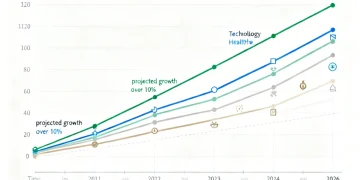
2026 Inflation Trends: Shielding Savings with a 4% Return Strategy

Understanding and preparing for 2026 inflation trends is essential for safeguarding financial stability, necessitating strategic approaches to achieve a resilient 4% return on savings amidst evolving economic landscapes.
As we look towards 2026, the economic landscape continues to evolve, presenting both challenges and opportunities for personal finance. One of the most significant concerns for savers and investors alike is the specter of inflation. This article will guide you through Preparing for 2026 Inflation Trends: Shielding Your Savings with a 4% Return Strategy, offering practical insights and actionable steps to protect and grow your wealth.
Understanding the 2026 Inflation Landscape
The economic forecast for 2026 suggests a complex interplay of factors that could influence inflation. Geopolitical events, supply chain dynamics, technological advancements, and shifts in consumer behavior all contribute to the overall inflationary environment. Understanding these underlying forces is the first step in formulating an effective defense strategy for your savings.
Forecasting inflation is not an exact science, but current projections point to a continued need for vigilance. Central banks’ monetary policies, government spending, and global commodity prices will all play crucial roles. Individuals need to look beyond headline numbers and consider how these macro trends might specifically impact their purchasing power and investment returns.
Key Drivers of 2026 Inflation
- Supply Chain Resilience: Ongoing efforts to diversify and strengthen global supply chains may mitigate some inflationary pressures, but unexpected disruptions could still cause price spikes.
- Labor Market Dynamics: Wage growth and labor shortages in key sectors could continue to exert upward pressure on prices, especially in service-oriented industries.
- Energy Transition Costs: The global shift towards renewable energy, while beneficial long-term, may involve transitional costs that contribute to short-term inflationary pressures.
- Government Fiscal Policies: The level of government spending and taxation will significantly influence aggregate demand and, consequently, inflation.
In conclusion, the 2026 inflation landscape will likely be shaped by a mix of persistent and emerging factors. Proactive monitoring and a nuanced understanding of these drivers are essential for anyone aiming to protect their financial assets.
The Imperative of a 4% Return Strategy
Achieving a 4% return on your savings in an inflationary environment is not merely about growth; it’s about preserving your purchasing power. If inflation runs at 3%, a 4% return means your real return is only 1%. This seemingly modest goal becomes a critical benchmark for ensuring your money works harder than the rate at which its value erodes.
Many traditional savings vehicles, such as standard savings accounts or low-yield bonds, often fail to keep pace with inflation. This necessitates a more strategic approach, moving beyond conventional wisdom and exploring avenues that offer a better chance of meeting or exceeding this 4% target. The goal is to avoid the silent wealth erosion that inflation can inflict over time.
Why 4% Matters for Your Savings
- Preserving Purchasing Power: A 4% return helps offset typical inflation rates, ensuring your money buys roughly the same amount of goods and services in the future.
- Compounding Growth: Even a modest real return of 1% or 2% can lead to substantial wealth accumulation over the long term, thanks to the power of compounding.
- Financial Security: Meeting this target provides a buffer against unexpected economic shocks and helps maintain your lifestyle standards.
Ultimately, a 4% return strategy is about financial resilience. It’s a proactive stance against the subtle but powerful force of inflation, designed to keep your financial goals on track.
Diversified Investment Approaches for Inflation Protection
To achieve a 4% return and effectively combat inflation, diversification is paramount. Relying on a single asset class is a risky proposition, especially in volatile economic times. A well-constructed portfolio typically includes a mix of assets that have historically performed well during inflationary periods or offer inherent protection.
Consider a blend of traditional and alternative investments. While stocks and bonds remain staples, their performance during inflation can vary significantly. Understanding which sectors and types of securities tend to thrive or falter is key. Real estate, commodities, and certain inflation-indexed securities can also play a vital role in a balanced strategy.
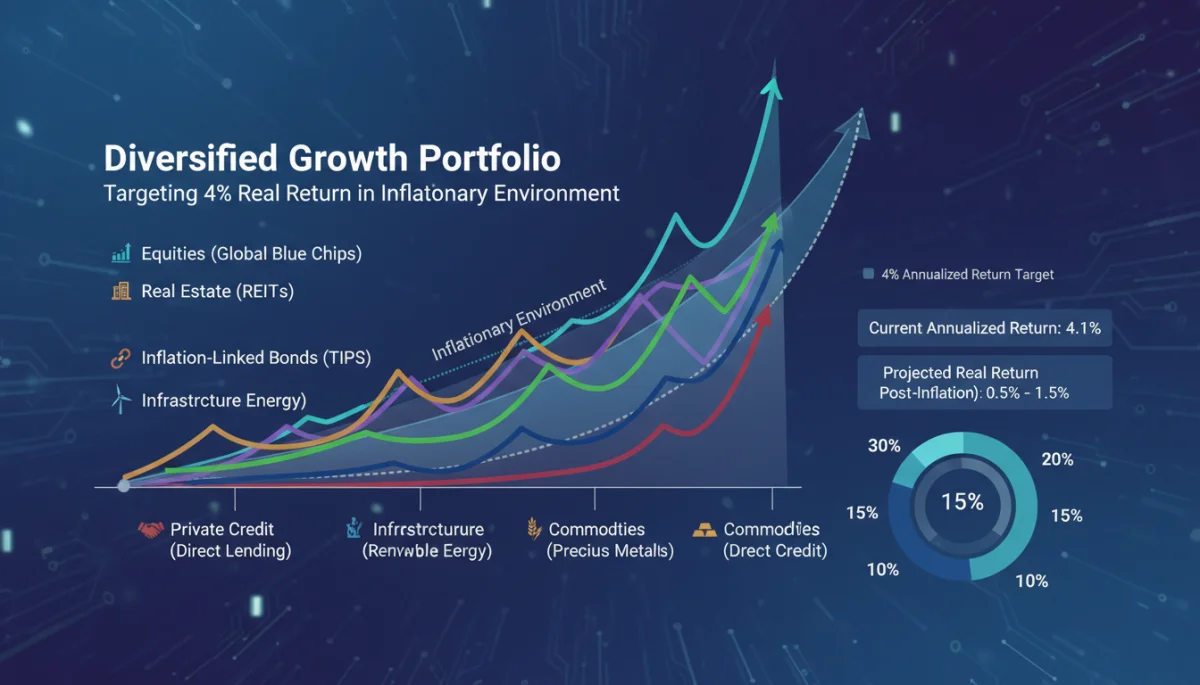
Building such a portfolio requires careful research and, often, professional guidance. The aim is not just to chase high returns but to build a robust framework that can withstand economic headwinds.
Key Diversification Components
- Inflation-Indexed Bonds: Treasury Inflation-Protected Securities (TIPS) are designed to protect against inflation by adjusting their principal value based on the Consumer Price Index (CPI).
- Real Estate: Historically, real estate has served as a hedge against inflation, as property values and rental income tend to rise with general price levels.
- Commodities: Raw materials like gold, silver, oil, and agricultural products often see their prices increase during inflationary periods.
- Dividend Stocks: Companies with strong balance sheets and pricing power that consistently pay and grow dividends can offer a reliable income stream that helps combat inflation.
A diversified investment approach, carefully tailored to your risk tolerance and financial goals, is the cornerstone of a successful inflation-shielding strategy. It ensures that your eggs are not all in one basket, providing stability even when some asset classes underperform.
Exploring High-Yield Savings and Alternative Assets
Beyond traditional investment vehicles, exploring high-yield savings options and alternative assets can significantly contribute to achieving your 4% return objective. High-yield savings accounts, while not always reaching 4% on their own, offer a secure base and can complement other higher-risk investments.
Alternative assets, on the other hand, often provide returns uncorrelated with traditional markets, offering additional diversification and potential for higher growth. These can include anything from private equity and venture capital to digital assets and even collectibles, though they come with their own set of risks and liquidity considerations.
It’s important to research these options thoroughly and understand their risk profiles before committing capital. The key is to integrate them strategically into your overall financial plan, ensuring they align with your long-term objectives and risk appetite.
Alternative Avenues for Enhanced Returns
- High-Yield Savings Accounts (HYSAs): While rates fluctuate, HYSAs consistently offer better returns than traditional savings accounts, providing a solid foundation for your emergency fund or short-term savings.
- Certificates of Deposit (CDs): Longer-term CDs can lock in higher interest rates, providing predictable returns, especially when interest rates are expected to decline.
- Peer-to-Peer Lending: Platforms that connect borrowers and lenders can offer higher interest rates than traditional banking products, though they carry higher credit risk.
- Fractional Real Estate Investments: Investing in real estate through crowdfunding platforms or REITs (Real Estate Investment Trusts) allows for diversification without direct property ownership, offering exposure to a historically inflation-resistant asset.
By judiciously combining high-yield savings with carefully selected alternative assets, you can construct a more robust strategy capable of reaching and sustaining a 4% return amidst inflationary pressures.
Strategic Budgeting and Debt Management
While investment strategies are crucial, effective budgeting and astute debt management are equally vital in shielding your savings from inflation. High inflation erodes the value of your money, making every dollar spent or owed more impactful. A disciplined budget helps you identify areas for savings and ensures your income outpaces your expenses.
Managing debt, especially high-interest debt, becomes even more critical during inflationary periods. The real cost of debt can increase significantly, eating into your disposable income and hindering your ability to save and invest. Prioritizing debt reduction frees up capital that can then be deployed into inflation-hedging assets.
Reviewing your spending habits regularly and adjusting your budget to reflect current economic realities is a continuous process. Small, consistent changes can lead to substantial improvements in your financial health over time, allowing you to allocate more towards your 4% return goal.
Budgeting and Debt Management Best Practices
- Create a Detailed Budget: Track all income and expenses to identify where your money is going and where you can cut back.
- Prioritize High-Interest Debt: Focus on paying off credit card balances and personal loans first, as their interest rates can significantly impact your financial flexibility.
- Automate Savings: Set up automatic transfers to your investment accounts to ensure consistent contributions towards your 4% return goal.
- Emergency Fund: Maintain a robust emergency fund to avoid incurring new debt during unforeseen circumstances.
Strategic budgeting and proactive debt management create a solid financial foundation, enabling your investment strategies to be more effective in the face of inflation.
Regular Review and Adaptation of Your Strategy
The economic environment is dynamic, and what works today might not be effective tomorrow. Therefore, regularly reviewing and adapting your inflation-shielding strategy is not just recommended, but essential. Market conditions, inflation rates, and your personal financial situation can all change, necessitating adjustments to your investment and savings plans.
Set aside dedicated time, perhaps quarterly or semi-annually, to assess your portfolio’s performance against your 4% return target. Evaluate whether your current asset allocation still aligns with your risk tolerance and financial goals. Be prepared to make informed adjustments based on new economic data and expert forecasts.
Staying informed about global and national economic trends is also critical. Financial news, reputable economic reports, and professional financial advice can provide valuable insights that help you fine-tune your approach and stay ahead of potential challenges.
Key Steps for Ongoing Strategy Review
- Monitor Economic Indicators: Keep an eye on inflation rates, interest rate changes, and GDP growth to understand the broader economic context.
- Rebalance Your Portfolio: Periodically adjust your asset allocation to maintain your desired risk level and ensure alignment with your 4% return goal.
- Consult Financial Advisors: Seek professional guidance to get personalized advice and insights, especially when navigating complex market conditions.
- Educate Yourself: Continuously learn about new investment opportunities and financial strategies to enhance your decision-making.
A flexible and adaptive approach to your financial strategy ensures that you remain resilient and continue to progress towards your goal of shielding your savings and achieving a 4% return, regardless of future inflation trends.
| Key Strategy | Brief Description |
|---|---|
| Diversify Investments | Allocate across various assets like TIPS, real estate, and commodities to hedge against inflation. |
| Utilize High-Yield Options | Integrate HYSAs and CDs for secure, better-than-average returns on liquid funds. |
| Manage Debt Proactively | Prioritize paying off high-interest debt to free up capital for investment and savings. |
| Regular Review & Adapt | Continuously monitor economic trends and adjust investment strategies to maintain optimal performance. |
Frequently Asked Questions About 2026 Inflation and Savings
Primary drivers for 2026 inflation are anticipated to include global supply chain resilience, labor market dynamics, energy transition costs, and government fiscal policies. These factors collectively influence pricing power and consumer costs, making it crucial for financial planning.
A 4% return is a good target because it aims to outpace typical inflation rates, effectively preserving and slightly growing your purchasing power. This modest real return helps offset the erosion of value caused by rising prices, ensuring your savings maintain their worth.
Effective investment strategies include diversifying into inflation-indexed bonds (TIPS), real estate, commodities, and dividend-paying stocks. Exploring alternative assets like fractional real estate or high-yield savings accounts can also contribute to achieving your target return.
Debt management is crucial because high-interest debt can significantly reduce the capital available for savings and investments. By prioritizing debt reduction, you free up more funds to allocate towards inflation-hedging assets, strengthening your overall financial position.
It’s advisable to review and adjust your financial strategy at least quarterly or semi-annually. This allows you to monitor market conditions, inflation rates, and your portfolio’s performance, making necessary adjustments to stay on track with your 4% return goal.
Conclusion
Preparing for 2026 Inflation Trends: Shielding Your Savings with a 4% Return Strategy is not just a financial goal; it’s a necessity in an ever-changing economic environment. By understanding the forces driving inflation, strategically diversifying investments, exploring alternative assets, and maintaining disciplined budgeting and debt management, you can build a resilient financial future. Regular review and adaptation of your strategy will ensure that your savings not only withstand inflationary pressures but also grow steadily, securing your purchasing power and long-term financial well-being.