Student Loan Repayment Strategies 2026: Save 20% Interest

Implementing proactive student loan repayment strategies for 2026 can significantly reduce your total interest paid, potentially saving you up to 20% over the life of your loan.
Are you ready to tackle your student loan debt head-on in 2026? Navigating the complexities of loan repayment can feel daunting, but with the right approach, you can strategically minimize your interest payments and free up your financial future. This guide will explore effective student loan repayment strategies for 2026, designed to help you save a substantial portion—up to 20%—on interest.
Understanding the 2026 Student Loan Landscape
The student loan environment is constantly evolving, with new policies, interest rate fluctuations, and repayment options emerging. For 2026, understanding these shifts is crucial for developing an effective repayment plan. Staying informed about legislative changes and economic forecasts can significantly impact your ability to save money.
Federal student loans, in particular, often see adjustments to their terms and conditions. These changes can affect everything from eligibility for income-driven repayment (IDR) plans to interest rate caps. Private lenders also adapt their offerings based on market conditions, making it essential to review your options periodically.
Key Policy Updates for Federal Loans
Recent legislative actions in the United States have brought about several key changes to federal student loan programs. These updates are designed to provide more flexibility and relief to borrowers, particularly those struggling with high debt burdens. It’s important to differentiate between temporary measures and permanent structural changes.
- New IDR Plan Enhancements: Expect refinements to existing income-driven repayment plans, possibly offering more generous terms or shorter paths to loan forgiveness.
- Interest Accrual Changes: Some discussions have centered around limiting interest capitalization events or even subsidizing interest for certain borrowers under specific conditions.
- Public Service Loan Forgiveness (PSLF) Program Updates: The PSLF program continues to be a focus, with ongoing efforts to streamline eligibility and application processes, making it more accessible to public sector employees.
Understanding these foundational elements of the 2026 student loan landscape is the first step toward crafting a repayment strategy that works for you. By staying abreast of these changes, you can better position yourself to take advantage of new opportunities for interest savings and debt reduction.
Optimizing Your Federal Loan Repayment Plans
Federal student loans offer a variety of repayment plans, and choosing the right one can dramatically impact your total interest paid. Beyond the standard 10-year plan, income-driven repayment (IDR) plans are often overlooked but can be powerful tools for managing your debt, especially if your income is modest compared to your loan balance.
The key to optimizing these plans lies in understanding their nuances and how they align with your financial goals. Each IDR plan—Income-Based Repayment (IBR), Pay As You Earn (PAYE), Revised Pay As You Earn (REPAYE), and Income-Contingent Repayment (ICR)—calculates your monthly payment differently, based on your income and family size.
Choosing the Right Income-Driven Repayment Plan
Selecting the most suitable IDR plan requires a careful assessment of your current financial situation and future earning potential. Some plans offer lower monthly payments but may lead to more interest accruing over time, while others might have a shorter repayment period but higher monthly obligations. It’s not a one-size-fits-all solution.
- Income and Family Size: Your adjusted gross income (AGI) and household size are primary factors determining your monthly payment under IDR plans.
- Loan Type and Date: Eligibility for certain IDR plans can depend on when you took out your loans and what type of federal loans you have.
- Long-Term Goals: Consider whether you prioritize lower monthly payments now or aiming for loan forgiveness in the future.
Regularly recertifying your income and family size is critical to ensure your payments remain affordable and accurate. Failing to recertify can result in your payments reverting to the standard plan amount, potentially leading to increased interest and financial strain. Proactive management of your IDR plan is essential for maximizing its benefits and minimizing interest accumulation.
Strategies for Refinancing and Consolidation
Refinancing and consolidation are two distinct, yet often confused, strategies that can significantly alter your student loan repayment trajectory. While both aim to simplify your payments or reduce costs, they operate differently and come with their own sets of pros and cons. Understanding these differences is paramount to making an informed decision that aligns with your financial objectives.
Refinancing typically involves taking out a new private loan to pay off your existing federal and/or private student loans. This can lead to a lower interest rate, especially if your credit score has improved since you first took out your loans. Consolidation, on the other hand, primarily applies to federal loans, combining multiple federal loans into a single new federal loan with a weighted average interest rate.
When to Consider Private Loan Refinancing
Private loan refinancing can be a powerful tool for saving on interest, particularly for borrowers with a strong credit history and stable income. It’s important to shop around and compare offers from multiple private lenders to find the best rates and terms. However, refinancing federal loans into private ones means forfeiting federal benefits like income-driven repayment plans, deferment, forbearance, and potential loan forgiveness.
- Improved Credit Score: A higher credit score can qualify you for significantly lower interest rates from private lenders.
- Stable Income: Lenders prefer borrowers with a consistent income stream, indicating a lower risk of default.
- No Need for Federal Protections: If you’re confident in your ability to repay and don’t foresee needing federal benefits, refinancing can be beneficial.
Federal loan consolidation can simplify your payments by combining multiple federal loans into one, resulting in a single monthly bill. This can also open up eligibility for certain income-driven repayment plans or Public Service Loan Forgiveness that some older federal loans might not qualify for. However, federal consolidation typically doesn’t lower your interest rate; instead, it averages the rates of your existing loans, rounded up to the nearest one-eighth of a percentage point. Weighing these options carefully against your individual circumstances is crucial for maximizing your interest savings.
Leveraging Extra Payments and the Avalanche Method
Beyond simply making your minimum monthly payments, strategically applying extra funds to your student loans can significantly reduce the total interest you pay and shorten your repayment timeline. Two popular and highly effective methods for accelerating debt repayment are making extra payments and employing the debt avalanche method. These strategies require discipline but yield substantial financial benefits over time.
Making extra payments doesn’t necessarily mean finding a large lump sum. Even small, consistent additional contributions can make a difference. The key is to ensure these extra payments are applied directly to the principal balance, rather than being counted towards future payments, which is a common misunderstanding. Always specify to your loan servicer that extra payments should go towards the principal of the highest-interest loan.
Implementing the Debt Avalanche Method for Maximum Savings
The debt avalanche method is a highly effective strategy for minimizing interest paid over the life of your loans. It involves prioritizing your loans by interest rate, paying the minimum on all loans except for the one with the highest interest rate. Any extra money you have is then directed towards that highest-interest loan until it is paid off. Once that loan is gone, you move to the next loan with the highest interest rate, continuing the cycle.
- Identify Highest Interest Loan: List all your student loans and their respective interest rates.
- Pay Minimums: Make the minimum required payment on all your loans.
- Target the Top: Direct any additional funds you have towards the loan with the highest interest rate.
- Repeat and Accelerate: Once the highest-interest loan is paid off, apply its former payment amount plus any extra funds to the next highest-interest loan.
This method ensures you tackle the most expensive debt first, reducing the overall interest accrual and saving you the most money in the long run. While it may take time to see a loan disappear, the cumulative interest savings are often substantial. Consistency and a clear understanding of your loan terms are vital for successful implementation.

Exploring Tax Benefits and Employer Assistance Programs
Beyond direct repayment strategies, there are often overlooked avenues for reducing the financial burden of student loans, such as leveraging tax benefits and employer-sponsored assistance programs. These can provide significant relief and contribute to your overall interest savings, often without requiring you to directly alter your monthly payment plan. Staying informed about these opportunities is a smart financial move for 2026.
The U.S. tax code offers deductions for student loan interest paid, which can reduce your taxable income. While there are limits to how much you can deduct, even a small reduction in your tax liability can free up funds that can then be directed towards accelerating your loan payments. It’s crucial to consult with a tax professional to understand your eligibility and maximize this benefit.
Maximizing the Student Loan Interest Deduction
The student loan interest deduction allows eligible taxpayers to deduct the amount of interest paid on qualified student loans. For 2026, the maximum deduction amount is subject to change, so staying updated on IRS guidelines is essential. This deduction is an ‘above-the-line’ deduction, meaning it reduces your adjusted gross income (AGI), which can have a cascading effect on other tax credits and deductions you might qualify for.
- Eligibility Requirements: Ensure you meet the income limits and other criteria set by the IRS for claiming the deduction.
- Qualified Education Loans: The loan must have been taken out solely to pay for qualified education expenses.
- Tax Filing Status: Your filing status can impact your eligibility and the maximum deduction amount.
Employer assistance programs are also gaining traction, with more companies offering student loan repayment benefits as part of their employee compensation packages. These programs can vary widely, from direct contributions to your loan principal to matching payments. Researching whether your current or prospective employer offers such benefits can provide a substantial boost to your repayment efforts. In some cases, these employer contributions may even be tax-free, offering a dual benefit.
Protecting Yourself Against Future Interest Rate Hikes
The financial landscape in 2026, like any other year, is subject to economic fluctuations, including potential interest rate hikes. For student loan borrowers, particularly those with variable-rate private loans, this can translate into increased monthly payments and a higher total cost of borrowing. Proactively protecting yourself against these potential increases is a critical component of a robust student loan repayment strategy.
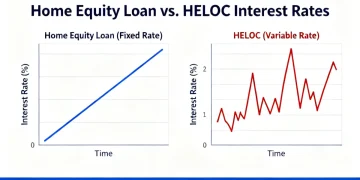
One of the primary ways to mitigate the risk of rising interest rates is to understand the terms of your existing loans. Are they fixed-rate or variable-rate? Federal student loans typically have fixed interest rates, offering predictability. Private loans, however, often come with variable rates that can adjust periodically based on market indices, making them susceptible to rate hikes.
Converting Variable Rates to Fixed Rates
For borrowers with variable-rate private student loans, exploring options to convert to a fixed interest rate is a highly recommended strategy. This usually involves refinancing your loan with a new lender who offers a fixed-rate product. While you might not always secure a lower initial rate than your current variable rate, the stability of a fixed rate offers peace of mind and protection against future market volatility.
- Research Refinancing Offers: Compare fixed-rate offers from multiple private lenders to find the most competitive terms.
- Assess Your Credit: A strong credit score will improve your chances of securing a favorable fixed interest rate.
- Understand Trade-offs: Refinancing means entering a new loan agreement, so carefully review all terms and conditions.
Another protective measure involves building an emergency fund. Having a financial cushion can help you absorb unexpected payment increases without derailing your budget or falling behind on payments. This fund acts as a buffer, ensuring that even if rates rise, you have the liquidity to manage your obligations without incurring additional interest or penalties. Strategic financial planning in anticipation of market changes is key to long-term student loan success.
Long-Term Financial Planning Beyond Repayment
Successfully navigating student loan repayment strategies for 2026 requires a proactive, informed, and disciplined approach. By understanding the evolving landscape of federal and private loan options, optimizing your repayment plans, strategically refinancing, and leveraging tax benefits, you can make significant strides in reducing your overall debt burden. The potential to save up to 20% on interest is not merely an aspiration but an achievable goal through diligent financial management. Remember, your journey towards financial freedom extends beyond just paying off loans; it’s about building a robust financial future. Embrace these strategies, stay vigilant, and empower yourself to take control of your student loan debt.
Once you’ve freed up funds previously allocated to student loan payments, resist the urge to immediately increase discretionary spending. Instead, channel these newfound resources into other productive financial avenues. This strategic reallocation can accelerate your progress towards financial independence and stability.
Investing for Future Growth and Retirement
With student loan debt under control, prioritizing investments, especially for retirement, becomes paramount. Starting early with retirement savings allows compounding interest to work its magic, significantly growing your nest egg over decades. Consider employer-sponsored retirement plans like 401(k)s, especially if they offer matching contributions, as this is essentially free money.
- Maximize Retirement Contributions: Aim to contribute at least enough to get your employer’s full match, then consider increasing contributions as your budget allows.
- Diversify Investments: Spread your investments across different asset classes to manage risk and optimize returns.
- Consult a Financial Advisor: Seek professional guidance to create a personalized investment plan tailored to your goals and risk tolerance.
Beyond retirement, think about other financial goals such as saving for a down payment on a home, starting a family, or funding further education. By consistently applying the same discipline and strategic thinking that you used for student loan repayment, you can achieve these goals more effectively. Long-term financial planning is not just about paying off debt; it’s about building a secure and prosperous future.
| Key Strategy | Brief Description |
|---|---|
| Optimize IDR Plans | Choose the best Income-Driven Repayment plan for your financial situation to manage federal loan payments. |
| Refinance Private Loans | Consider refinancing private student loans for lower interest rates if your credit has improved. |
| Debt Avalanche Method | Prioritize paying off loans with the highest interest rates first to maximize interest savings. |
| Utilize Tax Benefits | Claim student loan interest deductions and explore employer assistance programs to reduce overall costs. |
Frequently Asked Questions About Student Loan Repayment in 2026
In 2026, federal student loan repayment is expected to feature enhanced income-driven repayment plans, potentially more flexible terms, and ongoing efforts to streamline programs like Public Service Loan Forgiveness. Staying updated on official Department of Education announcements is crucial for specific details and eligibility.
Saving up to 20% on interest involves a combination of strategies: optimizing your repayment plan (like IDR), refinancing high-interest private loans, consistently making extra payments using the debt avalanche method, and utilizing tax deductions or employer assistance programs. Each step contributes to overall savings.
Refinancing federal student loans into private loans can lead to lower interest rates if your credit score is excellent. However, it means losing valuable federal protections like income-driven repayment, deferment options, and potential forgiveness programs. It’s best suited for those confident they won’t need federal benefits.
The debt avalanche method is a repayment strategy where you pay the minimum on all loans except for the one with the highest interest rate. All extra funds are directed to that highest-interest loan until it’s paid off, then you move to the next highest. This method minimizes total interest paid over time.
While specific tax laws can change, the student loan interest deduction is expected to remain a key benefit. Borrowers should stay informed about any adjustments to income limits or maximum deduction amounts by consulting IRS publications or a tax professional. Employer-provided student loan assistance may also see continued favorable tax treatment.
Conclusion
Successfully navigating student loan repayment strategies for 2026 requires a proactive, informed, and disciplined approach. By understanding the evolving landscape of federal and private loan options, optimizing your repayment plans, strategically refinancing, and leveraging tax benefits, you can make significant strides in reducing your overall debt burden. The potential to save up to 20% on interest is not merely an aspiration but an achievable goal through diligent financial management. Remember, your journey towards financial freedom extends beyond just paying off loans; it’s about building a robust financial future. Embrace these strategies, stay vigilant, and empower yourself to take control of your student loan debt.