Hybrid Learning Models 2026: U.S. Educational Outcomes
Hybrid learning models in 2026 are showing varied effectiveness across U.S. educational outcomes, requiring ongoing adaptation and assessment for optimal student success.
As we navigate the educational landscape of 2026, the discussion around Hybrid Learning Models in 2026: Evaluating Their Effectiveness for U.S. Educational Outcomes remains critical. This approach, blending in-person and online instruction, has become a cornerstone of modern pedagogy, prompting educators and policymakers alike to scrutinize its true impact on student achievement and engagement.
The evolution of hybrid learning in the U.S.
The concept of hybrid learning isn’t new, but its widespread adoption and refinement have accelerated dramatically, particularly in the wake of recent global shifts. In 2026, U.S. educational institutions, from K-12 to higher education, have largely integrated these models, moving beyond emergency responses to strategic implementations designed for long-term sustainability and improved learning experiences.
This evolution encompasses not just the technologies used, but also the pedagogical approaches, teacher training, and curriculum design. The goal is to leverage the strengths of both synchronous and asynchronous learning, providing flexibility while maintaining academic rigor.
Defining hybrid learning today
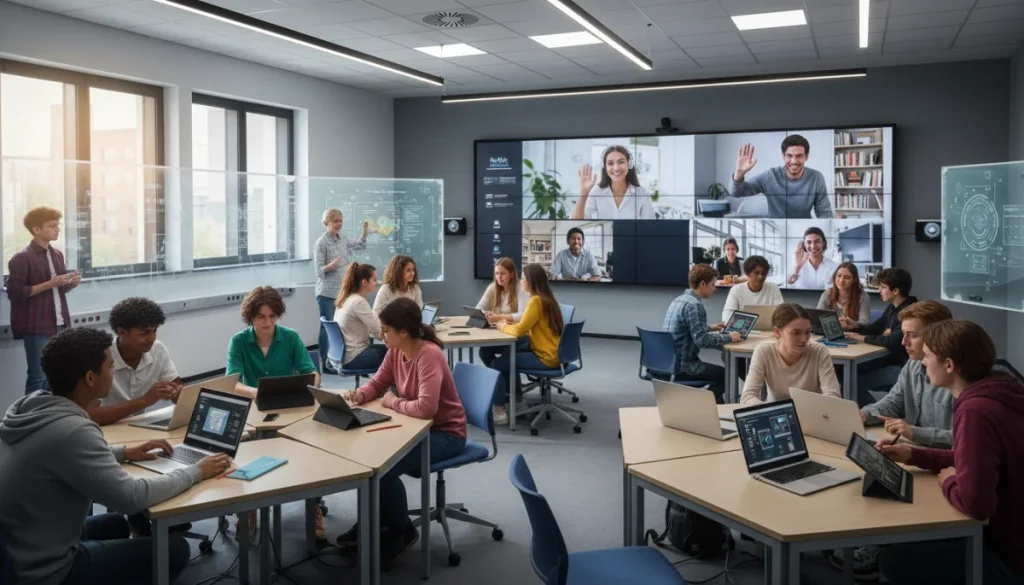
Today, hybrid learning extends beyond a simple mix of online and offline. It’s a dynamic system that often includes:
- Flexible scheduling: Students might attend some classes in person and others virtually, often on a rotating basis.
- Integrated technology platforms: Learning management systems (LMS) are central, serving as hubs for assignments, communication, and resources.
- Varied instructional methods: Teachers employ diverse strategies, from live virtual sessions to self-paced online modules and collaborative in-person projects.
These elements combine to create a multifaceted learning environment, aiming to cater to diverse student needs and learning styles. The effectiveness hinges on how well these components are synchronized and supported.
The continuous adaptation of hybrid models reflects a commitment to innovation in education. As technology advances and understanding of student psychology deepens, these models will continue to evolve, shaping the future of learning across the nation.
Assessing academic performance and engagement
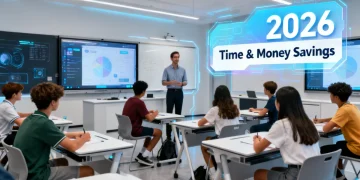
Evaluating the effectiveness of hybrid learning models in 2026 requires a close look at academic performance and student engagement. Initial data suggests a complex picture, with outcomes varying significantly based on factors such as student demographics, subject matter, and institutional resources.
For some students, the flexibility of hybrid models has led to improved focus and better time management, translating into higher grades. Others, however, struggle with self-discipline and maintaining connection in a less structured environment, potentially impacting their academic progress.
Impact on standardized test scores
Standardized test scores provide one metric for evaluating academic effectiveness. Early analyses in 2026 indicate that while some districts implementing robust hybrid programs show comparable or even improved scores, others report dips, particularly in foundational subjects. This disparity often correlates with:
- Access to reliable internet and devices: The digital divide remains a significant barrier for many.
- Quality of online instruction: Effective virtual teaching requires specialized skills and resources.
- Parental involvement: Support at home plays a crucial role in student success in hybrid settings.
Addressing these underlying inequalities is paramount to ensuring that hybrid learning benefits all students equally. Without equitable access and high-quality instruction, the potential for exacerbating existing achievement gaps is considerable.
Beyond test scores, qualitative data, such as student and teacher feedback, offers valuable insights into the learning experience. Understanding how students perceive their engagement and learning in hybrid environments is essential for making informed adjustments to these models.
Challenges and opportunities for educators
For educators, hybrid learning presents a unique set of challenges and opportunities. Adapting to a dual mode of instruction demands new skill sets, innovative pedagogical approaches, and often, increased workload. However, it also opens doors for more personalized learning and broader student reach.
Teacher training and professional development have become more critical than ever. Educators need support in mastering digital tools, designing engaging online activities, and effectively managing both in-person and virtual classroom dynamics simultaneously.
Teacher professional development
In 2026, many educational systems have invested heavily in professional development programs focused on hybrid teaching. These programs typically cover:
- Technology integration: Training on new software, platforms, and interactive tools.
- Curriculum adaptation: Strategies for modifying lessons to suit hybrid delivery.
- Student engagement techniques: Methods for fostering participation and connection in diverse learning settings.
The success of hybrid models largely depends on the preparedness and adaptability of teachers. Empowering them with the necessary skills and resources is a key factor in improving educational outcomes.

Beyond training, opportunities arise for educators to rethink traditional classroom structures. Hybrid learning can allow for more flexible grouping of students, differentiated instruction, and a greater emphasis on project-based learning that transcends physical boundaries. This can lead to more dynamic and relevant educational experiences.
Technological infrastructure and equity
The backbone of any successful hybrid learning model is a robust technological infrastructure. In 2026, while significant progress has been made in expanding broadband access and providing devices, disparities still persist, particularly in rural and low-income urban areas. Ensuring equitable access to technology remains a foundational challenge.
Beyond mere access, the quality and reliability of internet connections, as well as the functionality of devices, directly impact a student’s ability to participate effectively in hybrid environments. Lagging connections or outdated hardware can severely hinder learning.
Bridging the digital divide
Efforts to bridge the digital divide include government initiatives, public-private partnerships, and community-based programs aimed at providing:
- Affordable broadband access: Subsidies and infrastructure development to reach underserved communities.
- Device distribution programs: Providing laptops, tablets, and hotspots to students in need.
- Technical support and training: Ensuring students and families can effectively use the provided technology.
Without these foundational elements, the promise of hybrid learning as an equitable solution risks becoming another source of educational inequality. Continuous investment and strategic planning are essential to close these gaps.
Furthermore, the cybersecurity aspects of online learning have become increasingly important. Protecting student data and ensuring secure learning environments are critical considerations for all institutions employing hybrid models. This requires robust IT infrastructure and ongoing vigilance.
Student well-being and social-emotional learning
The impact of hybrid learning extends beyond academics to encompass student well-being and social-emotional development. While some students thrive with increased autonomy, others may struggle with isolation, reduced social interaction, or the demands of self-directed learning.
In 2026, educators are increasingly recognizing the need to integrate social-emotional learning (SEL) into hybrid curricula. This involves explicitly teaching skills such as self-awareness, self-management, social awareness, relationship skills, and responsible decision-making, which are crucial for success in any learning environment, especially hybrid ones.
Fostering connection and community
Strategies for fostering connection and community in hybrid models include:
- Regular check-ins: Teachers scheduling one-on-one or small-group virtual meetings.
- Collaborative online projects: Encouraging peer interaction and teamwork through digital platforms.
- Hybrid social activities: Organizing events that allow both in-person and remote participation.
Addressing the emotional and social needs of students is vital for their overall development and academic success. A holistic approach to hybrid learning ensures that students feel supported, connected, and engaged, regardless of their physical location.
The mental health of students in hybrid settings is also a growing concern. Schools are implementing support services, including virtual counseling and resources, to help students cope with stress, anxiety, and other challenges that may arise from these flexible learning structures.
The future trajectory of hybrid learning in the U.S.
Looking ahead, the trajectory of hybrid learning in the U.S. appears to be one of continued refinement and integration. Rather than being a temporary solution, it is evolving into a permanent fixture of the educational landscape. The lessons learned by 2026 are shaping a more deliberate and effective approach to blending physical and virtual instruction.
Future developments will likely focus on even greater personalization, leveraging artificial intelligence and adaptive learning technologies to tailor educational paths to individual student needs and preferences. This could lead to more efficient and engaging learning experiences.
Innovations and emerging trends
- AI-powered learning platforms: Providing adaptive content and personalized feedback.
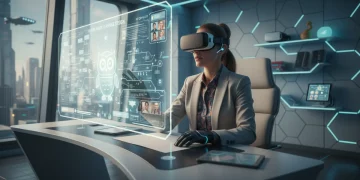
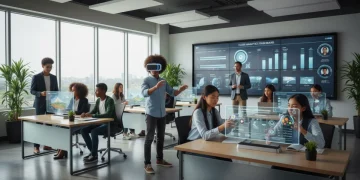
- Virtual and augmented reality: Creating immersive learning experiences.
- Competency-based progression: Allowing students to advance at their own pace based on mastery.
These advancements promise to further enhance the flexibility and effectiveness of hybrid models, making education more accessible and responsive to the demands of a rapidly changing world. The emphasis will remain on creating environments that prepare students for future challenges.
Ultimately, the long-term effectiveness of hybrid learning models will depend on ongoing research, continuous adaptation, and a commitment to equitable implementation. The goal is to harness the full potential of these models to create a more resilient, inclusive, and effective educational system for all U.S. students.
| Key Aspect | Brief Description |
|---|---|
| Academic Outcomes | Varied impact on performance, often linked to resources and student demographics. |
| Educator Challenges | Requires new skills, training, and adaptive pedagogical approaches. |
| Technological Equity | Bridging the digital divide remains critical for universal access and success. |
| Student Well-being | Focus on social-emotional learning and fostering connection to combat isolation. |
Frequently asked questions about hybrid learning in 2026
Hybrid learning offers increased flexibility for students, allowing them to balance academics with other commitments. It also promotes digital literacy, critical thinking, and self-discipline, preparing students for future academic and professional environments where blended work models are common. This adaptability caters to diverse learning styles.
Technology plays a pivotal role, with advanced learning management systems, interactive digital tools, and AI-powered platforms personalizing education. Virtual reality and augmented reality are also emerging, creating immersive learning experiences that go beyond traditional classroom boundaries. These tools make content more accessible and engaging.
Educators often face challenges in mastering new digital tools, adapting curricula for dual delivery, and maintaining student engagement in both virtual and in-person settings. Ensuring equitable access to technology and providing adequate technical support for all students also remain significant hurdles, requiring ongoing professional development.
Hybrid models can impact social-emotional development by potentially reducing direct social interaction for some students, leading to feelings of isolation. However, well-designed programs integrate social-emotional learning, fostering collaboration through online projects and promoting self-awareness and relationship skills, balancing autonomy with connection.
The future of hybrid learning in the U.S. is one of continuous evolution and integration. It’s expected to become a more permanent, refined aspect of education, with increased personalization through AI, further technological advancements like VR/AR, and a stronger focus on competency-based progression, adapting to future educational needs.
Conclusion
The evaluation of Hybrid Learning Models in 2026: Evaluating Their Effectiveness for U.S. Educational Outcomes reveals a complex and evolving landscape. While these models offer significant advantages in terms of flexibility and personalization, their true effectiveness hinges on addressing critical factors such as equitable access to technology, robust teacher training, and a strong focus on student well-being. As education continues to adapt to a dynamic world, the ongoing refinement and strategic implementation of hybrid learning will be crucial for fostering an inclusive and high-quality learning experience for all U.S. students.