Federal Pell Grants 2026: Maximize Your College Benefits

Federal Pell Grants 2026 are fundamental federal financial aid for eligible undergraduate students, providing significant funds to attend college without the burden of repayment, making higher education more accessible.
Navigating the landscape of college funding can feel overwhelming, but understanding programs like Federal Pell Grants 2026 is a game-changer for countless students across the United States. These grants, designed to help undergraduates with exceptional financial need, can provide up to $7,395 for the upcoming academic year, significantly easing the burden of tuition, fees, and living expenses. This comprehensive guide will walk you through everything you need to know to maximize these vital education benefits and secure your academic future.
Understanding Federal Pell Grants for 2026
Federal Pell Grants are a cornerstone of financial aid in the United States, offering a lifeline to students who might otherwise find higher education out of reach. Unlike loans, these grants do not need to be repaid, making them an incredibly attractive option for aspiring college students. The program is continually updated, and for 2026, the maximum award is set to provide substantial support, reflecting the rising costs of education.
The core purpose of Pell Grants remains consistent: to promote access to postsecondary education for students from low-income backgrounds. Eligibility is primarily determined by financial need, evaluated through the Free Application for Federal Student Aid (FAFSA). This application considers factors such as income, family size, and assets to calculate an Expected Family Contribution (EFC), which then dictates the grant amount.
who is eligible for pell grants?
Eligibility for Federal Pell Grants is not solely based on income. Several criteria must be met to qualify for this essential financial aid.
- Demonstrate exceptional financial need, as determined by the FAFSA.
- Be an undergraduate student enrolled in an eligible program at an eligible institution.
- Be a U.S. citizen or an eligible non-citizen.
- Maintain satisfactory academic progress once enrolled in college.
Understanding these requirements upfront can help students prepare their applications effectively. The process is designed to be as straightforward as possible, ensuring that financial barriers do not prevent deserving students from pursuing their educational dreams.
In conclusion, Federal Pell Grants for 2026 represent a vital opportunity for students to fund their college education without incurring debt. By understanding the program’s objectives and eligibility criteria, prospective students can take the first step toward securing this valuable financial assistance.
The FAFSA: Your Gateway to Pell Grant Funding
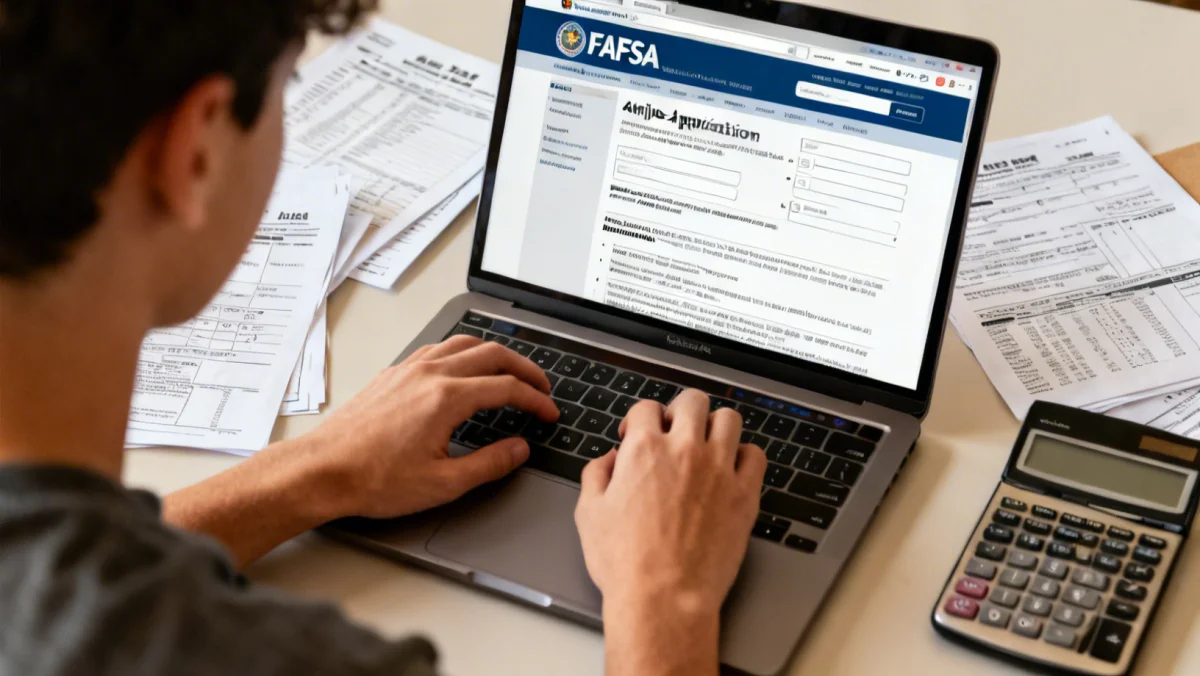
The Free Application for Federal Student Aid, or FAFSA, is the single most critical document in securing Federal Pell Grants 2026 and other forms of federal financial aid. Completing the FAFSA accurately and on time is paramount, as it provides the Department of Education with the necessary information to assess your financial need.
Many students underestimate the importance of the FAFSA, often delaying its completion or making errors that can hinder their eligibility. The information provided on the FAFSA is used to calculate your Student Aid Index (SAI), which replaced the Expected Family Contribution (EFC) starting with the 2024-2025 aid year. The SAI is a key determinant of your Pell Grant eligibility and the amount you may receive.
tips for a successful fafsa application
To maximize your chances of receiving a Pell Grant, follow these essential tips:
- File Early: The FAFSA opens on October 1st each year. Filing as soon as possible ensures you meet federal and state deadlines, as some aid is awarded on a first-come, first-served basis.
- Gather Documents: Have all necessary financial documents ready, including tax returns, W-2s, and records of untaxed income and assets. This streamlines the application process.
- Accuracy is Key: Double-check all information before submitting. Errors can lead to delays or incorrect aid calculations.
- Use the IRS Data Retrieval Tool: This tool allows you to securely transfer your federal tax information directly into your FAFSA, reducing errors and saving time.
The FAFSA process, while detailed, is designed to be manageable. Resources are available from high school counselors, college financial aid offices, and the Federal Student Aid website to assist you. A well-prepared FAFSA application is the foundation for accessing your full Pell Grant potential.
Ultimately, a successful FAFSA submission is the gateway to unlocking Federal Pell Grants 2026. By approaching the application with diligence and attention to detail, students can ensure they are considered for the maximum aid they are eligible for, paving the way for a more affordable college experience.
Calculating Your Pell Grant Award for 2026
The amount of Federal Pell Grants 2026 you receive is not arbitrary; it’s determined by a specific formula that takes several factors into account. Understanding this calculation can help you estimate your potential award and plan your college finances more effectively. The maximum Pell Grant amount for the 2026-2027 academic year is projected to be up to $7,395, though individual awards vary.
Your Student Aid Index (SAI), as determined by your FAFSA, is the primary driver of your Pell Grant amount. A lower SAI indicates a greater financial need, generally resulting in a higher Pell Grant award. However, the SAI is not the only factor. The cost of attendance (COA) at your chosen institution, whether you are a full-time or part-time student, and your enrollment for a full academic year also play crucial roles.
factors influencing your pell grant amount:
Several variables contribute to the final Pell Grant award:
- Student Aid Index (SAI): Your calculated financial need from the FAFSA.
- Cost of Attendance (COA): The total cost of attending a particular school, including tuition, fees, room, board, books, and other expenses.
- Enrollment Status: Whether you are enrolled full-time, three-quarter time, half-time, or less than half-time. Full-time students typically receive the full award.
- Academic Year Length: The grant amount is generally based on a full academic year.
It’s important to note that your Pell Grant award cannot exceed your institution’s cost of attendance. If your grant amount is higher than your direct costs (tuition and fees), the school will disburse the remaining funds to you, which can be used for living expenses, books, and other educational costs.
By understanding how your Pell Grant is calculated, you can better anticipate the financial support you will receive. This knowledge empowers you to make informed decisions about your college choices and overall financial planning, ensuring you maximize your Federal Pell Grants 2026 benefits.
Maximizing Your Pell Grant Benefits
While the FAFSA determines your initial eligibility and award for Federal Pell Grants 2026, there are strategies you can employ to potentially maximize the benefits you receive. This goes beyond simply filling out the form and involves strategic planning and understanding the nuances of the grant program.
One key aspect is maintaining satisfactory academic progress (SAP). Colleges are required to monitor your academic performance, and failure to meet their SAP standards can jeopardize your eligibility for federal financial aid, including Pell Grants. This typically involves maintaining a certain GPA and completing a minimum number of credits each semester.
strategies for increasing pell grant eligibility:
Consider these approaches to get the most out of your Pell Grant:
- Enroll Full-Time: Generally, full-time enrollment leads to the highest Pell Grant award. If possible, plan your course load to maintain full-time status.
- Attend a More Affordable School: While your Pell Grant amount is fixed, attending a school with a lower cost of attendance means the grant covers a larger percentage of your overall expenses.
- Understand Summer Pell: If you are eligible, you might be able to receive Pell Grant funds for summer courses, allowing you to accelerate your degree completion or catch up on credits.
- Appeal if Circumstances Change: If your family’s financial situation changes significantly after filing the FAFSA (e.g., job loss, medical expenses), contact your financial aid office to discuss a professional judgment review.
Being proactive and informed about your financial aid options can make a significant difference. Don’t hesitate to reach out to your college’s financial aid office; they are a valuable resource for navigating these complexities and ensuring you receive all eligible aid.
In summary, maximizing your Federal Pell Grants 2026 involves more than just applying. It requires an understanding of academic requirements, enrollment strategies, and awareness of opportunities like summer Pell and professional judgment appeals. By taking these steps, students can optimize their financial support for higher education.
Pell Grants and Other Financial Aid: A Synergistic Approach
Federal Pell Grants 2026 are often just one piece of a larger financial aid package. Many students combine Pell Grants with other forms of federal, state, and institutional aid to fully cover their educational costs. Understanding how these different aid types interact is crucial for comprehensive financial planning.
Federal student aid, beyond Pell Grants, includes various types of loans and work-study programs. While Pell Grants don’t need to be repaid, federal student loans do, albeit with favorable interest rates and repayment terms. Work-study programs allow students to earn money through part-time jobs, often on campus, to help pay for their education expenses.
combining grants, scholarships, and loans:
To create a robust financial aid strategy, consider these combinations:
- Federal Student Loans: If your Pell Grant and other grants don’t cover all costs, federal student loans (subsidized and unsubsidized) can fill the gap.
- State Grants: Many states offer their own grant programs based on financial need or academic merit. These can often be combined with Pell Grants.
- Scholarships: Seek out private scholarships from various organizations. These are ‘free money’ and can significantly reduce your out-of-pocket expenses.
- Work-Study: A federal work-study award allows you to work part-time to earn money for college, reducing the need for loans.
It’s vital to prioritize ‘free money’ first—grants and scholarships—before considering loans. Loans should be seen as a last resort to cover remaining costs. Always communicate with your college’s financial aid office to understand your complete aid package and how each component contributes to your overall funding.
By adopting a synergistic approach to financial aid, students can leverage Federal Pell Grants 2026 alongside other funding sources to build a comprehensive plan that makes college affordable and minimizes future debt. This integrated strategy is key to successful educational financing.
The Future of Pell Grants Beyond 2026
As we look ahead, the role of Federal Pell Grants 2026 and beyond remains critical for ensuring educational access and equity. Policymakers continuously evaluate and debate the program’s funding levels and eligibility criteria to adapt to the evolving economic landscape and the rising cost of higher education.
There is an ongoing national conversation about increasing the maximum Pell Grant award to keep pace with inflation and tuition hikes. Advocates argue that a larger Pell Grant would significantly impact students from low-income backgrounds, enabling them to attend college with less reliance on loans.
potential changes and considerations:
Future discussions and potential changes regarding Pell Grants may include:
- Maximum Award Increase: Continued efforts to raise the maximum grant amount to better cover college costs.
- Eligibility Expansion: Debates around expanding eligibility to more students, potentially including those pursuing short-term credential programs.
- Streamlined FAFSA: Further simplification of the FAFSA process to make it even easier for students to apply for aid.
- Year-Round Pell: Continued availability and potential expansion of year-round Pell Grant funding, allowing students to attend summer sessions.
These potential changes highlight the dynamic nature of federal financial aid. Staying informed about legislative developments and policy discussions is important for current and future students who rely on Pell Grants to fund their education. The commitment to federal student aid programs underscores the nation’s investment in its future workforce and citizenry.
In conclusion, while Federal Pell Grants 2026 offer significant support today, the program is not static. Its future trajectory will depend on ongoing policy decisions and advocacy, all aimed at strengthening its capacity to provide vital educational opportunities for students across the country.
| Key Point | Brief Description |
|---|---|
| Maximum Award 2026 | Up to $7,395 for eligible students, subject to change by congressional action. |
| FAFSA Importance | Essential for determining eligibility and Student Aid Index (SAI). File early and accurately. |
| Eligibility Criteria | Exceptional financial need, undergraduate enrollment, U.S. citizen/eligible non-citizen, satisfactory academic progress. |
| Maximization Tips | Enroll full-time, consider summer Pell, and combine with other aid types like scholarships. |
Frequently Asked Questions About Federal Pell Grants 2026
For the 2026-2027 academic year, the maximum Federal Pell Grant award is projected to be up to $7,395. This amount can change based on congressional appropriations and budget decisions each year.
No, Federal Pell Grants are a form of gift aid, meaning they do not typically need to be repaid. However, you might have to repay if you withdraw from school early or receive other aid that reduces your eligibility.
You apply for a Federal Pell Grant by completing the Free Application for Federal Student Aid (FAFSA). The FAFSA assesses your financial need and determines your eligibility for various federal aid programs.
Yes, part-time students can receive a Federal Pell Grant. However, the amount will be pro-rated based on your enrollment status. Full-time students generally receive the maximum award.
The Student Aid Index (SAI) is an eligibility index number calculated from your FAFSA information. It replaced the EFC and is used to determine your financial need and, consequently, your Federal Pell Grant amount.
Conclusion
Securing your educational future is a journey that often requires financial support, and Federal Pell Grants 2026 stand out as an indispensable resource. By understanding the eligibility criteria, meticulously completing the FAFSA, and strategically combining Pell Grants with other forms of aid, students can significantly reduce the financial barriers to higher education. These grants not only provide direct financial assistance but also empower individuals to pursue their academic and career aspirations without the burden of overwhelming debt. As the landscape of financial aid continues to evolve, staying informed and proactive will be key to maximizing these invaluable benefits, ensuring that more students can access and succeed in college.