2026 Medicare Advantage: Maximize Your Coverage

Understanding the 2026 Medicare Advantage landscape is crucial for strategic enrollment and maximizing your plan’s optimal coverage.
Navigating healthcare options can be complex, especially when considering changes year over year. For 2026,
2026 Medicare Advantage Updates are bringing forth new opportunities and challenges for beneficiaries.
This guide provides essential insights and strategies to help you secure the best possible coverage.
Understanding the Evolving Landscape of 2026 Medicare Advantage
The healthcare environment is constantly shifting, and 2026 is no exception for Medicare Advantage plans. These plans, offered by private companies approved by Medicare, combine Part A (hospital insurance) and Part B (medical insurance), often including Part D (prescription drug coverage) and extra benefits not covered by Original Medicare. Staying informed about the latest developments is paramount to making educated decisions about your health coverage.
Key regulatory changes impacting plans
Several regulatory adjustments are anticipated for 2026 that could influence the structure and offerings of Medicare Advantage plans. These changes often stem from legislative actions, policy updates from the Centers for Medicare & Medicaid Services (CMS), and evolving healthcare needs of the population. Understanding these foundational shifts is the first step in assessing how they might affect your current or future plan.
- Benefit enhancements: CMS frequently reviews and updates the types of supplemental benefits plans can offer, such as vision, dental, hearing, and even allowances for healthy food or transportation.
- Provider network adjustments: Changes in regulations can impact how plans form their provider networks, potentially affecting your access to specific doctors or hospitals.
- Cost-sharing modifications: Deductibles, copayments, and coinsurance amounts may be adjusted based on new guidelines, directly influencing your out-of-pocket expenses.
In conclusion, the 2026 Medicare Advantage landscape is dynamic, shaped by ongoing regulatory changes. Proactive engagement with these updates ensures beneficiaries can adapt their strategies to maintain comprehensive and cost-effective healthcare coverage.
Decoding New Benefit Offerings and Supplemental Services for 2026
As Medicare Advantage plans continue to evolve, 2026 brings an array of new and expanded benefit offerings. These supplemental services are designed to address a broader spectrum of health and wellness needs, moving beyond traditional medical care to encompass holistic well-being. Understanding what’s available can significantly enhance the value you derive from your plan.
Many plans are focusing on personalized care, integrating services that support daily living and preventive health. This shift reflects a growing recognition of the social determinants of health and their impact on overall well-being. Beneficiaries now have more opportunities to select plans that align closely with their individual lifestyle and health priorities.
Expanded non-medical benefits
One of the most exciting aspects of 2026 Medicare Advantage plans is the expansion of non-medical benefits. These often overlooked services can make a substantial difference in managing chronic conditions, maintaining independence, and improving quality of life. From fitness programs to in-home support, the options are becoming increasingly diverse.
- Enhanced dental, vision, and hearing: Many plans are offering higher allowances or broader coverage for these essential services, reducing out-of-pocket costs for routine care and necessary aids.
- Wellness programs: Access to gym memberships, yoga classes, and other health-promoting activities is becoming more common, encouraging preventive care and active lifestyles.
- Transportation assistance: For those with mobility challenges, some plans are providing transportation to medical appointments, pharmacies, and even grocery stores, addressing a critical barrier to care.
- Meal delivery services: Following hospital stays or for individuals with chronic conditions, certain plans offer meal delivery, ensuring access to nutritious food during recovery or ongoing health management.
The availability of these expanded benefits underscores the importance of a thorough review of plan documents. Each plan’s offerings can vary significantly, so comparing them against your specific needs is crucial. These supplemental services can lead to considerable savings and improved health outcomes if utilized effectively.
Ultimately, the new benefit offerings in 2026 Medicare Advantage plans provide a richer, more comprehensive approach to healthcare. By carefully evaluating these additions, beneficiaries can choose a plan that not only covers their medical needs but also supports their overall health and lifestyle.
Strategic Enrollment: Navigating the 2026 Open Enrollment Period
The Annual Enrollment Period (AEP) is a critical window for making changes to your Medicare Advantage plan. For 2026, understanding the nuances of this period and adopting strategic enrollment approaches will be vital to securing optimal coverage. It’s not just about choosing a plan, but choosing the right plan that aligns with your evolving health needs and financial situation.
Many beneficiaries approach AEP with a ‘set it and forget it’ mentality, but this can lead to missed opportunities for better benefits or lower costs. Each year, plans change, and so do individual health circumstances. A proactive and informed approach during AEP is your best defense against inadequate coverage or unnecessary expenses.
Key dates and deadlines to remember
The AEP typically runs from October 15th to December 7th each year, with coverage beginning on January 1st of the following year. However, it’s essential to confirm the exact dates for 2026 as minor adjustments can occur. Missing these deadlines can mean being stuck with an unsuitable plan for another year, or having to wait for a Special Enrollment Period (SEP).
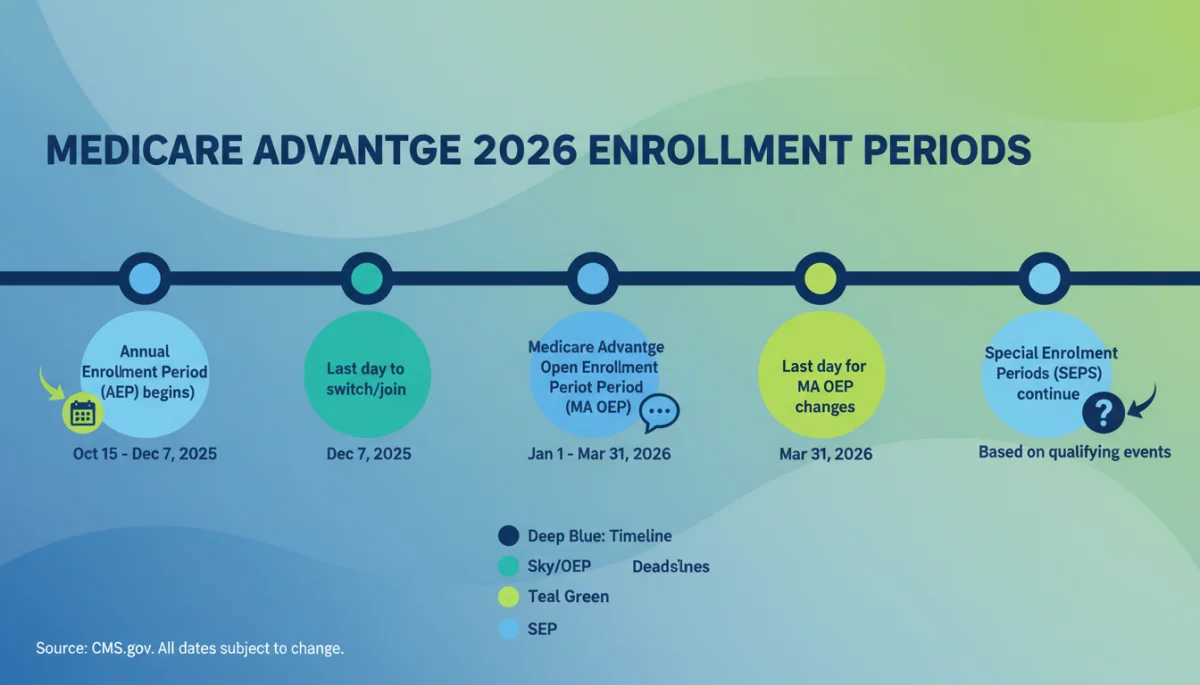
- October 15th: The start of the AEP, when plans release their new benefits and cost structures. This is the ideal time to begin your research and comparison.
- December 7th: The official end of the AEP. All changes made during this period will take effect on January 1st.
- January 1st – March 31st: Medicare Advantage Open Enrollment Period (MA OEP). During this time, individuals enrolled in a Medicare Advantage plan can switch to another Medicare Advantage plan or switch to Original Medicare.
Beyond the AEP, Special Enrollment Periods (SEPs) may be available for individuals who experience certain life events, such as moving to a new area, losing other health coverage, or qualifying for Extra Help. It’s important to understand if you qualify for an SEP, as it allows you to make changes outside of the standard enrollment windows.
In essence, strategic enrollment for 2026 involves more than just selecting a plan; it requires a deep understanding of deadlines, eligibility, and the options available. By staying organized and informed, you can confidently navigate the enrollment process and secure the best Medicare Advantage plan for your needs.
Evaluating Plan Costs: Premiums, Deductibles, and Out-of-Pocket Maximums
When selecting a 2026 Medicare Advantage plan, a comprehensive understanding of all associated costs is crucial. It extends beyond just the monthly premium; beneficiaries must also consider deductibles, copayments, coinsurance, and the all-important out-of-pocket maximum. These elements collectively determine the true financial impact of your healthcare coverage throughout the year.
Many people are drawn to plans with low or zero monthly premiums, but this can be a deceptive metric. A low premium might be offset by higher deductibles or copayments for services you frequently use. A holistic financial assessment is necessary to avoid unexpected costs and ensure your plan is genuinely affordable in the long run.
Understanding the financial structure of plans
Each Medicare Advantage plan has a unique financial architecture. While some components are standard across all plans, the specific amounts and types of cost-sharing can vary significantly. It’s vital to read the plan’s Evidence of Coverage (EOC) and Summary of Benefits (SOB) documents carefully to grasp these details.
- Premiums: This is the monthly amount you pay for your Medicare Advantage plan, in addition to your Part B premium. Many plans have a $0 premium, but these often come with other cost-sharing structures.
- Deductibles: The amount you must pay out of pocket before your plan starts to pay for services. This can apply to medical services, prescription drugs, or both.
- Copayments: A fixed amount you pay for a covered service, such as a doctor’s visit or a prescription refill, after you’ve met your deductible.
- Coinsurance: A percentage of the cost of a covered service you pay after you’ve met your deductible. For example, if your coinsurance is 20%, you pay 20% of the cost, and your plan pays 80%.
- Out-of-pocket maximum: This is the most you will have to pay for covered services in a year. Once you reach this limit, your plan pays 100% of the cost for covered services for the remainder of the year. This provides a crucial safety net against catastrophic health expenses.
When comparing plans, don’t just look at the premium. Consider your anticipated healthcare usage: how often do you visit the doctor? Do you take expensive prescription drugs? Do you have chronic conditions that require frequent specialist visits? These factors will help you estimate your total annual costs under different plans.
Ultimately, evaluating plan costs for 2026 Medicare Advantage involves a detailed analysis of all financial components. By doing so, you can select a plan that offers both comprehensive coverage and predictable, manageable out-of-pocket expenses.
Provider Networks and Referrals: What’s New for 2026
The structure of provider networks and the requirements for referrals are critical considerations when choosing a 2026 Medicare Advantage plan. These aspects directly impact your access to doctors, specialists, and hospitals, as well as the ease with which you can receive necessary care. Understanding any changes in these areas is essential for continuity of care.
Medicare Advantage plans typically operate within defined networks of healthcare providers. These networks can vary significantly between plans and even from year to year. Ensuring your preferred doctors and facilities are included in a plan’s network is a primary concern for many beneficiaries, particularly those with established relationships with their providers.
Changes in network types and access
For 2026, there may be shifts in the types of networks offered by Medicare Advantage plans, such as HMOs (Health Maintenance Organizations), PPOs (Preferred Provider Organizations), and PFFS (Private Fee-for-Service) plans. Each type has distinct rules regarding network usage and referrals, which can impact your flexibility and out-of-pocket costs.
- HMO plans: Typically require you to choose a primary care physician (PCP) within the network and get a referral to see specialists. Care received outside the network is generally not covered, except in emergencies.
- PPO plans: Offer more flexibility. You don’t usually need a referral to see a specialist and can often go outside the network, though you’ll pay more for out-of-network care.
- PFFS plans: Allow you to see any Medicare-approved provider who agrees to the plan’s terms. Some PFFS plans have networks, but you’re not restricted to them.
It’s crucial to verify if your current doctors, specialists, and hospitals are still in-network for any plan you are considering for 2026. Provider directories can change annually, and relying on outdated information can lead to unexpected out-of-network costs. Contacting your providers directly or using the plan’s online directory are reliable ways to confirm network participation.
Furthermore, understanding the referral process is important. Some plans, particularly HMOs, require a referral from your PCP before you can see a specialist. If you frequently visit specialists, a plan that doesn’t require referrals (like most PPOs) might offer greater convenience. Be sure to factor these procedural requirements into your decision-making process.
In summary, staying informed about provider networks and referral policies for 2026 Medicare Advantage plans is vital for maintaining seamless access to your preferred healthcare providers and managing your medical expenses effectively.
Leveraging Technology for Informed 2026 Plan Choices
In today’s digital age, technology offers powerful tools to simplify the process of choosing a 2026 Medicare Advantage plan. From online comparison tools to virtual consultations, leveraging these resources can help beneficiaries make more informed decisions, saving time and potentially leading to better coverage outcomes. Embracing digital platforms is no longer just convenient; it’s a strategic advantage.
The sheer volume of information surrounding Medicare Advantage plans can be overwhelming. Technology helps to distill this data into digestible formats, allowing for quick comparisons and personalized recommendations. This shift empowers individuals to take a more active role in their healthcare planning, moving away from relying solely on printed brochures or limited in-person consultations.
Online comparison tools and resources
A multitude of online platforms are available to assist with Medicare Advantage plan comparisons. These tools typically allow you to input your zip code, current medications, and preferred doctors, then generate a list of plans that meet your criteria. This streamlines the research process significantly.
- Medicare.gov Plan Finder: The official government website is an invaluable resource, allowing you to compare Original Medicare, Medicare Advantage Plans, Medicare Supplement Insurance (Medigap) policies, and Medicare Part D plans. It’s updated annually with the latest plan information.
- Third-party comparison websites: Many reputable insurance brokers and healthcare organizations offer their own comparison tools, often with user-friendly interfaces and additional filtering options.
- Virtual consultations: Many insurance agents and Medicare advisors now offer virtual appointments, allowing you to discuss your options from the comfort of your home, reducing the need for in-person meetings.
Beyond plan comparison, technology can also help you manage your plan once enrolled. Many Medicare Advantage plans offer member portals or mobile apps where you can view your benefits, track claims, find in-network providers, and even access telemedicine services. These digital tools enhance convenience and allow for real-time access to important plan information.
It’s important to exercise caution when using third-party websites and ensure they are reputable and secure. Always cross-reference information with official sources like Medicare.gov or directly with the plan provider. While technology offers immense benefits, diligence is still key.
In conclusion, leveraging technology is a smart strategy for navigating the complexities of 2026 Medicare Advantage plans. By utilizing online comparison tools and digital resources, beneficiaries can make well-informed choices that optimize their healthcare coverage and streamline plan management.
Future-Proofing Your Coverage: Long-Term Considerations for 2026 and Beyond
Choosing a 2026 Medicare Advantage plan isn’t just about immediate needs; it’s also about future-proofing your coverage for years to come. Healthcare needs evolve, regulations change, and personal circumstances shift. Adopting a long-term perspective ensures that your chosen plan remains effective and adaptable to unforeseen future challenges. This foresight is a cornerstone of truly maximizing your benefits.
Many beneficiaries select a plan based on current health, only to find it inadequate when new conditions arise or their financial situation changes. A proactive approach involves considering potential future health needs, lifestyle changes, and the long-term stability of your chosen plan and its provider.
Anticipating health and lifestyle changes
As we age, health conditions can become more prevalent, and lifestyle factors may shift. When selecting a Medicare Advantage plan, consider not just your current health status but also potential future needs. This might involve looking at plans with robust chronic care management programs, extensive specialist networks, or comprehensive prescription drug coverage for conditions that might develop.
- Chronic condition management: If you anticipate developing or managing chronic conditions, look for plans that offer strong support programs, disease management services, and access to a wide range of specialists.
- Mobility and independence: Consider plans that offer benefits like transportation assistance, in-home support, or remote monitoring technologies if maintaining independence becomes a future priority.
- Financial stability: Evaluate how potential changes in your income or assets might affect your eligibility for subsidies or your ability to cover out-of-pocket costs.
Another crucial aspect of future-proofing is understanding the annual nature of Medicare Advantage plans. While you select a plan for a year, you have the opportunity to review and change it during each AEP. This flexibility allows you to adapt your coverage as your needs evolve, but it requires consistent engagement and review.
Furthermore, research the financial stability and reputation of the insurance carrier offering the plan. A stable carrier is more likely to maintain consistent benefits and networks over time. While no one can predict the future with certainty, choosing a reputable provider adds a layer of security.
In conclusion, future-proofing your 2026 Medicare Advantage coverage involves a thoughtful consideration of long-term health, lifestyle, and financial factors. By planning ahead and staying engaged with your options, you can ensure your healthcare coverage remains optimal and resilient for years to come.
| Key Aspect | Brief Description |
|---|---|
| Regulatory Updates | Anticipate changes in benefits, networks, and cost-sharing from CMS policies. |
| New Benefits | Explore expanded non-medical benefits like dental, vision, transportation, and meal services. |
| Enrollment Strategy | Understand AEP deadlines (Oct 15 – Dec 7) and utilize available comparison tools. |
| Cost Evaluation | Analyze premiums, deductibles, copays, and out-of-pocket maximums for true cost. |
Frequently Asked Questions About 2026 Medicare Advantage
Original Medicare includes Part A (hospital) and Part B (medical) directly from the government. Medicare Advantage (Part C) is offered by private companies approved by Medicare, combining Part A and B, often with Part D (prescription drugs) and extra benefits like dental, vision, and hearing, usually within a network.
The primary period is the Annual Enrollment Period (AEP), typically from October 15th to December 7th, with changes taking effect January 1st. There’s also a Medicare Advantage Open Enrollment Period (MA OEP) from January 1st to March 31st for specific changes.
Provider networks can change annually. It’s crucial to verify if your current doctors, specialists, and hospitals are part of the plan’s network for 2026. You can do this by checking the plan’s provider directory or contacting your doctors directly.
Beyond premiums, compare deductibles, copayments, coinsurance, and the out-of-pocket maximum. Consider your typical healthcare usage, including doctor visits and prescription drug needs, to estimate your total annual expenses for each plan.
Many plans are expanding non-medical benefits. These can include enhanced dental, vision, and hearing coverage, wellness programs, transportation assistance to appointments, and even meal delivery services for qualifying individuals, enhancing holistic care.
Conclusion
Navigating the complexities of 2026 Medicare Advantage plans requires diligence and a proactive approach. By staying informed about regulatory updates, understanding new benefit offerings, strategically approaching enrollment, carefully evaluating costs, and leveraging technological tools, beneficiaries can make well-informed decisions. Future-proofing your coverage by considering long-term health and lifestyle changes ensures that your chosen plan provides optimal support for years to come. This comprehensive understanding empowers you to maximize your Medicare Advantage benefits and secure the best possible healthcare coverage.