FEMA’s 2025 Hurricane Forecast: 18 Named Storms Predicted
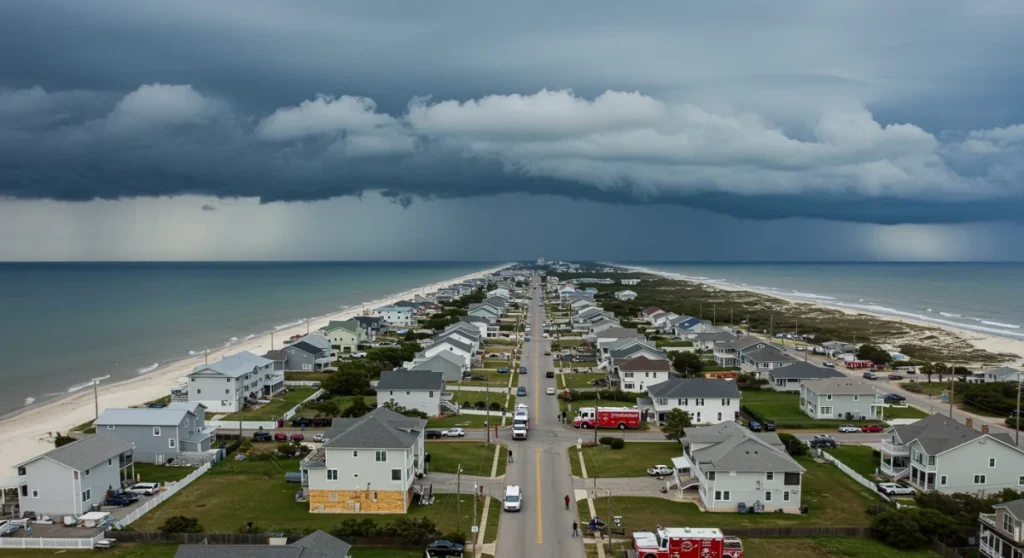
FEMA has released its 2025 National Hurricane Season Forecast, projecting 18 named storms, which underscores the critical importance of proactive disaster preparedness for communities across the United States.
The recent announcement from FEMA regarding the 2025 National Hurricane Season Forecast has sent a clear message to coastal communities and beyond: prepare for an active season. With a prediction of 18 named storms, the implications for disaster preparedness are significant, demanding immediate attention and strategic planning from individuals, families, and governmental agencies alike.
Understanding the 2025 Hurricane Season Forecast
The Federal Emergency Management Agency (FEMA), in collaboration with meteorological experts, has released its initial outlook for the 2025 Atlantic hurricane season. This forecast is not just a statistical prediction; it serves as a vital call to action for everyone living in hurricane-prone regions. Understanding the nuances of this forecast is the first step in effective preparation.
Forecasters are pointing to several key atmospheric and oceanic conditions that contribute to this elevated prediction. These include warmer-than-average sea surface temperatures in the Atlantic Ocean, which provide more fuel for developing storms, and a potential shift in atmospheric patterns that could reduce wind shear, allowing hurricanes to strengthen more easily. Such conditions have historically led to more intense and frequent hurricane activity.
Key Factors Influencing the Forecast
- Warmer Atlantic Waters: Elevated sea surface temperatures act as a catalyst for hurricane formation and intensification.
- Reduced Wind Shear: Lower wind shear allows nascent storms to develop and organize without being torn apart.
- La Niña Influence: The anticipated return or persistence of La Niña conditions often correlates with a more active Atlantic hurricane season.
- Atmospheric Pressure Patterns: Favorable pressure systems can steer storms towards coastal areas, increasing landfall risks.
The 2025 forecast of 18 named storms, with a significant number expected to become hurricanes and major hurricanes, necessitates a re-evaluation of existing emergency plans. This early warning provides a crucial window of opportunity for communities to fortify their infrastructure and for individuals to secure their homes and families. Ignoring these warnings could lead to devastating consequences, making proactive engagement with the forecast indispensable.
The Role of FEMA in Disaster Preparedness
FEMA plays a pivotal role in orchestrating the nation’s response to disasters, and its forecasts are foundational to planning. Beyond just issuing predictions, FEMA provides resources, guidance, and support to state and local governments, as well as to individual citizens. Their efforts aim to build a resilient nation capable of withstanding the impacts of severe weather events.
The agency’s strategy hinges on a multi-faceted approach that includes pre-disaster mitigation, emergency response coordination, and post-disaster recovery assistance. For the 2025 hurricane season, FEMA is intensifying its outreach programs, emphasizing the importance of individual preparedness and community resilience. This includes promoting the development of comprehensive emergency plans and encouraging the assembly of essential disaster kits.
FEMA’s Preparedness Initiatives
- Community Resilience Programs: Supporting local governments in developing robust emergency management plans and infrastructure.
- Public Awareness Campaigns: Educating the public on the risks associated with hurricanes and the steps they can take to prepare.
- Resource Allocation: Pre-positioning supplies and personnel in strategic locations to facilitate rapid response efforts.
- Training and Exercises: Conducting drills and simulations to ensure that emergency responders are well-prepared for any scenario.
FEMA’s proactive engagement is not just about reacting to storms but about fostering a culture of preparedness. By providing timely forecasts and actionable advice, the agency empowers communities to take ownership of their safety. The projected active hurricane season for 2025 underscores the critical need for everyone to heed FEMA’s guidance and integrate it into their personal and community-level readiness plans.
Individual and Family Preparedness Strategies
While governmental agencies like FEMA lay the groundwork for national preparedness, the ultimate responsibility for safety often falls on individuals and families. Effective personal preparation can significantly reduce the impact of a hurricane and expedite recovery. This involves a series of practical steps, from creating an emergency plan to securing your home.
One of the most crucial steps is to develop a family communication plan. In the chaos of a disaster, traditional communication channels may fail. Having a pre-determined meeting place and an out-of-state contact can ensure that family members can reconnect. Additionally, compiling a comprehensive disaster kit with essential supplies is non-negotiable. This kit should be easily accessible and contain enough provisions to sustain your family for at least 72 hours.

Essential Components of a Disaster Kit
- Water: One gallon per person per day for drinking and sanitation.
- Food: At least a three-day supply of non-perishable food.
- First-Aid Kit: Including essential medications and supplies for injuries.
- Flashlight and Batteries: For illumination during power outages.
- Whistle: To signal for help.
- Dust Mask: To help filter contaminated air.
- Wrench or Pliers: To turn off utilities.
Beyond physical supplies, it is essential to understand evacuation routes and local shelter options. Stay informed about local emergency alerts and warnings by signing up for notifications. Securing your home by reinforcing doors and windows, trimming trees, and clearing gutters can also mitigate damage. Taking these steps now can make a profound difference when a storm approaches, turning potential chaos into manageable challenges.
Community-Level Readiness and Infrastructure Resilience
Effective disaster preparedness extends beyond individual actions to encompass the resilience of entire communities. Local governments and municipalities play a critical role in developing and implementing plans that protect public safety and essential infrastructure. For an active hurricane season like the one predicted for 2025, these community-level efforts become even more vital.
Investing in robust infrastructure, such as improved drainage systems, reinforced public buildings, and resilient power grids, can significantly reduce vulnerability. Communities must also establish clear emergency communication protocols to ensure that residents receive timely and accurate information before, during, and after a storm. This includes leveraging various channels, from traditional media to social media and community alert systems.
Key Areas for Community Resilience
- Emergency Shelters: Identifying and preparing safe, accessible shelters with adequate supplies.
- Evacuation Routes: Clearly marking and maintaining efficient evacuation routes to prevent bottlenecks.
- Critical Infrastructure Protection: Hardening power grids, water treatment plants, and communication networks against storm damage.
- Public Awareness and Education: Conducting drills and workshops to inform residents about local emergency plans.
Collaboration between local authorities, businesses, and community organizations is also paramount. Establishing volunteer networks, coordinating with local charities, and engaging the private sector can enhance a community’s capacity to respond and recover. A well-prepared community is one where every sector works in concert, ensuring that resources are optimized and support is readily available when disaster strikes.
Economic Impacts and Recovery Challenges
Hurricanes, especially those of high intensity, carry significant economic consequences that can reverberate long after the storm has passed. The 2025 forecast of 18 named storms suggests a potential for widespread damage, leading to substantial recovery costs and economic disruption. Understanding these potential impacts is crucial for both individuals and policymakers to prepare financially.
Direct costs include property damage, business interruptions, and agricultural losses. Indirect costs can be even more far-reaching, affecting tourism, supply chains, and local job markets. Small businesses, often the backbone of local economies, are particularly vulnerable and may struggle to rebuild without adequate support. Furthermore, the psychological toll on affected communities can lead to long-term health and social challenges.
Financial Preparedness Measures
- Insurance Review: Regularly check and update homeowner’s and flood insurance policies to ensure adequate coverage.
- Emergency Savings: Establish a dedicated emergency fund to cover unexpected expenses.
- Important Document Protection: Secure vital documents (insurance policies, deeds, financial records) in waterproof, fireproof containers or digitally.
- Business Continuity Plans: For business owners, develop a plan to minimize operational disruption and facilitate rapid recovery.
Government aid, while essential, often only covers a portion of the losses, making personal financial preparedness indispensable. FEMA’s disaster assistance programs provide crucial support, but they are designed to supplement, not replace, personal recovery efforts. Proactive financial planning, coupled with community-wide economic resilience strategies, is key to mitigating the long-term impacts of an active hurricane season and fostering a quicker return to normalcy.
Technological Innovations in Hurricane Forecasting and Response
Advancements in technology are continuously refining hurricane forecasting and improving disaster response capabilities. For the 2025 hurricane season, these innovations will play an even more critical role in protecting lives and property. From sophisticated satellite imagery to advanced computational models, technology provides unprecedented insights into storm behavior.
High-resolution satellite data now allows meteorologists to track storm development with greater precision, providing earlier warnings and more accurate landfall predictions. AI and machine learning algorithms are being integrated into forecasting models to analyze vast datasets, improving the accuracy of intensity and trajectory predictions. This allows emergency managers to make better-informed decisions regarding evacuations and resource deployment.
Technological Tools for Preparedness
- Advanced Weather Satellites: Providing real-time, high-resolution imagery of storm systems.
- Numerical Weather Prediction Models: Utilizing supercomputers to simulate atmospheric conditions and predict storm paths.
- Drone Technology: For damage assessment in inaccessible areas post-storm and for monitoring floodwaters.
- AI-Powered Analytics: Enhancing the accuracy of storm intensity and landfall predictions.
- Mobile Alert Systems: Delivering critical evacuation orders and safety information directly to residents’ phones.
Furthermore, communication technologies are evolving to support better coordination among emergency responders and with the public. Mobile apps, social media platforms, and specialized emergency communication networks ensure that vital information flows efficiently, even when traditional infrastructure is compromised. Embracing these technological innovations is paramount to building a more resilient society capable of effectively responding to the challenges posed by an active hurricane season.
| Key Point | Brief Description |
|---|---|
| 2025 Hurricane Forecast | FEMA predicts 18 named storms, indicating an active season for the Atlantic. |
| Individual Preparedness | Create emergency plans, assemble kits, and secure homes to protect families. |
| Community Resilience | Local governments must strengthen infrastructure and communication systems. |
| Technological Advancements | Improved forecasting and response through satellites, AI, and communication tools. |
Frequently asked questions about hurricane preparedness
It means that the 2025 Atlantic hurricane season is expected to be more active than average. A ‘named storm’ is a tropical cyclone with sustained winds of at least 39 mph. This high number indicates an increased likelihood of hurricanes impacting coastal areas.
Begin by creating a family emergency plan, including communication strategies and evacuation routes. Assemble a disaster kit with water, non-perishable food, first-aid supplies, and essential documents. Stay informed through local emergency alerts.
Local communities are responsible for maintaining infrastructure, establishing evacuation routes, and operating public shelters. They also conduct public awareness campaigns and coordinate emergency services. Community resilience is a collective effort.
Technology enhances forecasting accuracy through advanced satellites and AI models, providing earlier warnings. It also improves communication via mobile alerts and specialized networks, facilitating better coordination among responders and the public during emergencies.
Yes, hurricane insurance is crucial. It typically includes homeowner’s insurance for wind damage and separate flood insurance, as standard policies often exclude flood coverage. Review your policies annually to ensure adequate protection for your property.
Conclusion
The 2025 National Hurricane Season Forecast from FEMA, predicting 18 named storms, serves as a critical reminder of the ongoing need for comprehensive disaster preparedness. This outlook underscores that readiness is a shared responsibility, requiring concerted efforts from federal agencies, local communities, and individuals. By understanding the forecast, implementing robust personal and community-level strategies, and leveraging technological advancements, we can collectively enhance our resilience against the inevitable impacts of an active hurricane season. Proactive planning and a commitment to safety today will undoubtedly mitigate the challenges of tomorrow.