Retail Trends: Online Sales Grew 12% in Q4 2024, Shaping 2025

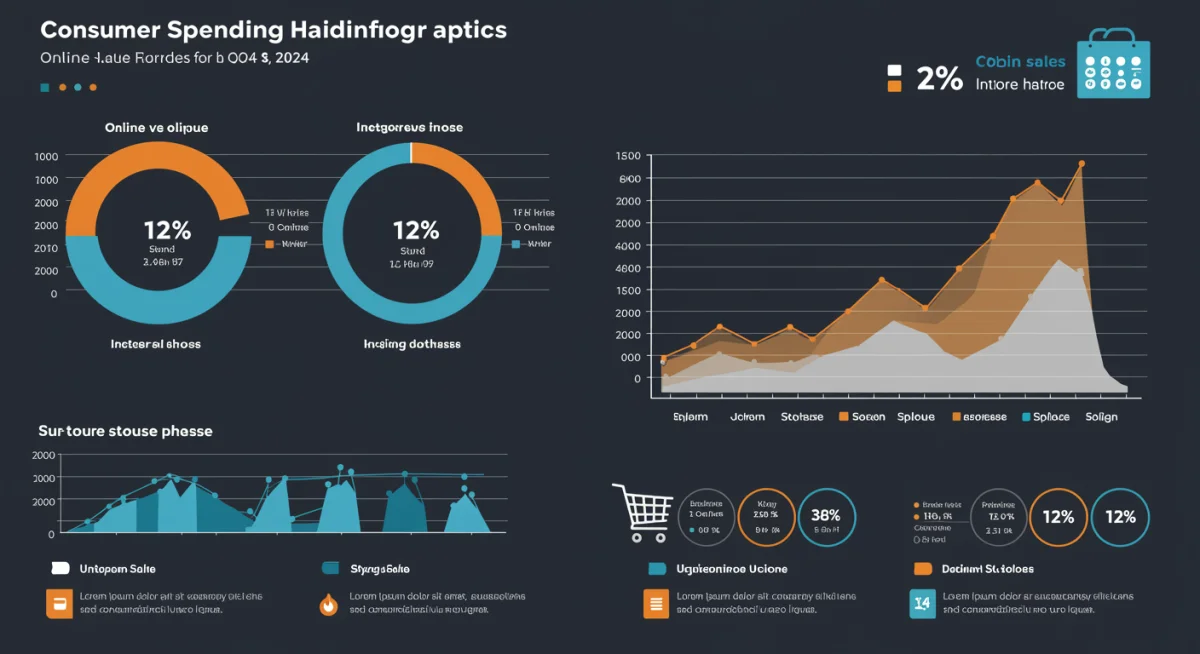
A federal report indicates that online sales growth surged by 12% in Q4 2024, demonstrating a significant shift in consumer purchasing habits and setting a new trajectory for retail in 2025.
The retail landscape is constantly evolving, and a recent federal report has unveiled a significant shift: online sales growth soared by an impressive 12% in Q4 2024. This substantial increase is not merely a statistic; it’s a powerful indicator of changing consumer behavior and a clear roadmap for what businesses can expect and prepare for in 2025.
The Q4 2024 Surge: A Deeper Dive into Online Sales Growth
The federal report’s findings illuminate a pivotal moment in retail. The 12% increase in online sales during the final quarter of 2024 represents a robust acceleration of e-commerce adoption, surpassing many industry forecasts. This surge wasn’t uniform across all sectors, but rather concentrated in key areas that adapted quickly to evolving consumer demands and technological advancements.
Understanding the drivers behind this growth is crucial for retailers looking to capitalize on future trends. Several factors contributed to this remarkable performance, from enhanced digital infrastructure to evolving consumer preferences for convenience and personalized experiences. The holiday shopping season, in particular, saw a significant portion of this growth, as consumers increasingly opted for digital storefronts over traditional brick-and-mortar locations.
Key Drivers of Q4 Online Sales
- Improved E-commerce Platforms: Retailers invested heavily in user-friendly websites and mobile applications, streamlining the online shopping journey.
- Faster Shipping and Logistics: Advances in supply chain management and last-mile delivery services met consumer expectations for rapid order fulfillment.
- Personalized Marketing: Data-driven insights allowed businesses to tailor product recommendations and promotions, increasing conversion rates.
- Digital Payment Solutions: The widespread adoption of secure and convenient digital payment methods boosted consumer confidence in online transactions.
The implications of this Q4 performance are far-reaching, suggesting that online retail is not just a supplement to physical stores but increasingly the primary channel for many consumers. Businesses that failed to adapt or optimize their online presence likely missed out on a significant share of this expanding market. This period served as a litmus test for digital readiness, and those that passed are now better positioned for sustained success.
Shifting Consumer Behavior: The New Retail Paradigm
The substantial online sales growth in Q4 2024 is a direct reflection of fundamental shifts in consumer behavior. Shoppers are now more digitally native, expecting seamless online experiences and valuing convenience above many other factors. This isn’t a temporary trend; it’s a permanent recalibration of how people discover, evaluate, and purchase products.
Consumers are increasingly engaging with brands through multiple touchpoints, from social media to dedicated apps, before making a purchase. This omnichannel approach means that a brand’s digital presence must be cohesive and integrated, providing a consistent experience regardless of the platform. The rise of social commerce and live shopping events also played a role, transforming browsing into an interactive and immediate purchasing opportunity.
Moreover, the pandemic accelerated many of these digital habits, turning what might have been gradual adoption into rapid integration. Consumers are now comfortable with online grocery shopping, virtual try-ons for clothing, and even purchasing big-ticket items sight unseen. Retailers must acknowledge this new normal and design their strategies accordingly, placing the digital customer journey at the forefront.
Emerging Consumer Preferences
- Convenience and Speed: Shoppers prioritize quick delivery and easy checkout processes.
- Personalization: Tailored recommendations and customized shopping experiences enhance satisfaction.
- Value for Money: Despite increased spending, consumers remain price-sensitive and seek out deals and loyalty programs.
- Ethical and Sustainable Practices: A growing segment of consumers favors brands that demonstrate social responsibility and environmental consciousness.
These evolving preferences demand a proactive response from retailers. Simply having an online store is no longer enough; it must be an intelligent, responsive, and customer-centric platform that anticipates needs and delivers exceptional value. The brands that understand and adapt to these behavioral shifts will be the ones that thrive in the competitive landscape of 2025.
Technological Innovations Driving E-commerce Expansion
The impressive 12% online sales growth in Q4 2024 would not have been possible without significant technological advancements. These innovations are continuously reshaping the e-commerce landscape, making online shopping more accessible, efficient, and engaging. From artificial intelligence to augmented reality, technology is at the heart of the modern retail experience.
Artificial intelligence (AI) has become particularly instrumental in enhancing personalization, optimizing inventory management, and improving customer service through chatbots and predictive analytics. Machine learning algorithms analyze vast amounts of data to understand individual shopping habits, allowing retailers to offer highly relevant product suggestions and promotions. This not only boosts sales but also creates a more satisfying experience for the consumer.
Transformative Technologies in Retail
- Artificial Intelligence (AI): Powers personalization engines, chatbots, and demand forecasting.
- Augmented Reality (AR): Enables virtual try-ons and product visualization in real-world environments, reducing returns.
- Blockchain: Enhances supply chain transparency and secures payment processing.
- Voice Commerce: Growing adoption of voice-activated shopping through smart speakers and assistants.
Augmented reality (AR) is another game-changer, allowing customers to visualize products in their own homes or virtually try on clothes, bridging the gap between online and in-store shopping. This technology helps reduce buyer’s remorse and product returns, which are significant challenges for e-commerce businesses. The integration of these advanced technologies is no longer a luxury but a necessity for retailers aiming to stay competitive and continue their growth trajectory into 2025.
Impact on Traditional Brick-and-Mortar Retailers
The pronounced online sales growth in Q4 2024 presents both challenges and opportunities for traditional brick-and-mortar retailers. While some view the rise of e-commerce as a threat, many are finding ways to integrate digital strategies with their physical presence, creating a more robust and resilient retail model. The key lies in understanding how to leverage the strengths of both channels.
Physical stores are increasingly becoming experience hubs rather than just transaction points. Retailers are focusing on creating immersive in-store experiences that cannot be replicated online, such as personalized consultations, interactive displays, and community events. This approach aims to draw customers in, fostering brand loyalty and providing a unique value proposition that complements their online offerings.
Strategies for Brick-and-Mortar Adaptation
- Omnichannel Integration: Seamlessly connecting online and in-store inventory, pricing, and customer service.
- Click-and-Collect Services: Allowing customers to order online and pick up in-store, combining convenience with physical interaction.
- Experiential Retail: Transforming stores into destinations that offer unique experiences beyond mere shopping.
- Showrooming: Utilizing physical stores for product demonstration while encouraging online purchases.
Furthermore, many traditional retailers are investing in their own e-commerce platforms and digital marketing efforts, recognizing that an online presence is no longer optional. They are also exploring hybrid models, such as pop-up shops and partnerships with online marketplaces, to expand their reach. The future of retail is likely to be a blend of physical and digital, where each channel enhances the other, offering consumers maximum flexibility and choice. Those who embrace this synergy will be best positioned for success.
Anticipating 2025: Key Retail Trends and Predictions
The 12% online sales growth in Q4 2024 provides a strong foundation for anticipating the key retail trends that will dominate 2025. The momentum gained in the last quarter of the year is expected to continue, pushing retailers to innovate further and adapt to an increasingly digital-first consumer base. Several areas are poised for significant development and will shape the competitive landscape.
One major prediction is the continued emphasis on hyper-personalization. Retailers will leverage AI and data analytics to offer even more tailored shopping experiences, from individualized product recommendations to customized promotions. This will extend beyond the website to in-store interactions, where sales associates can access customer profiles to provide more relevant assistance. The goal is to make every customer feel understood and valued, fostering loyalty.
Forecasting 2025 Retail Landscape
- Subscription Models: Expect an increase in subscription services for various products, offering convenience and recurring revenue.
- Sustainable and Ethical Sourcing: Consumer demand for transparent and responsible supply chains will influence purchasing decisions.
- Livestream Shopping: The integration of live video commerce with social media will continue to grow, offering interactive shopping experiences.
- Data Privacy and Security: Consumers will demand greater transparency and control over their personal data, prompting retailers to enhance security measures.
Another crucial trend will be the integration of sustainability into all aspects of retail operations. Consumers are increasingly environmentally conscious, and brands that demonstrate a commitment to ethical sourcing, eco-friendly packaging, and sustainable practices will gain a significant competitive edge. Retailers will need to communicate these efforts transparently to build trust and resonate with their target audience. The retailers that proactively address these evolving consumer values will be the ones that thrive in 2025 and beyond.
Strategies for Retailers to Thrive in the Digital Age
Given the significant online sales growth in Q4 2024, developing robust strategies for the digital age is paramount for retailers. It’s no longer enough to simply have an online presence; businesses must actively optimize their digital ecosystems to meet and exceed consumer expectations. This involves a multi-faceted approach that encompasses technology, customer experience, and operational efficiency.
Investing in advanced analytics tools is crucial for understanding customer behavior and market trends. By analyzing data on purchasing patterns, website interactions, and customer feedback, retailers can make informed decisions about product development, marketing campaigns, and inventory management. This data-driven approach allows for greater agility and responsiveness in a rapidly changing market.
Actionable Strategies for Digital Success
- Optimize Mobile Experience: Ensure websites and apps are fully responsive and user-friendly on all mobile devices, as mobile commerce continues to dominate.
- Invest in SEO and Content Marketing: Improve online visibility and attract organic traffic through high-quality content and search engine optimization.
- Enhance Customer Service: Implement AI-powered chatbots for instant support and empower human agents with tools for personalized assistance.
- Diversify Sales Channels: Explore new marketplaces, social commerce platforms, and direct-to-consumer models to expand reach.
Furthermore, building a strong brand identity and fostering community engagement online will be key differentiating factors. Social media platforms offer powerful tools for connecting with customers, building brand loyalty, and gathering valuable feedback. Retailers should focus on creating authentic content and engaging in meaningful conversations to cultivate a loyal customer base. The ability to adapt quickly and embrace continuous innovation will be the hallmark of successful retailers in the coming years, ensuring they not only survive but thrive amidst the ongoing digital transformation.
| Key Aspect | Brief Description |
|---|---|
| Q4 2024 Online Sales Growth | Federal report indicates a significant 12% increase, highlighting accelerated e-commerce adoption. |
| Shifting Consumer Behavior | Consumers prioritize convenience, personalization, and seamless omnichannel experiences. |
| Technological Innovations | AI, AR, and advanced logistics are key enablers of e-commerce expansion. |
| 2025 Retail Outlook | Continued focus on hyper-personalization, sustainability, and diversified sales channels. |
Frequently Asked Questions About 2025 Retail Trends
The federal report revealed a substantial 12% increase in online sales during Q4 2024. This significant growth underscores an accelerated shift in consumer preferences towards digital purchasing channels and sets a new benchmark for retail strategies moving into 2025.
Consumers are increasingly prioritizing convenience, personalized experiences, and efficient delivery. They expect seamless omnichannel interactions and are more comfortable making a wider range of purchases online, influencing everything from product discovery to final transaction.
Key innovations include artificial intelligence for personalization and customer service, augmented reality for product visualization, and advancements in logistics for faster shipping. These technologies enhance the online shopping experience and address common consumer pain points.
Traditional retailers should focus on omnichannel integration, offering services like click-and-collect, and transforming physical stores into experiential hubs. This strategy leverages the unique advantages of both online and offline channels to create a cohesive customer journey.
For 2025, expect continued emphasis on hyper-personalization, a rise in subscription models, increased demand for sustainable and ethical products, and the growth of livestream shopping. Data privacy and security will also become critical areas of focus for retailers.
Conclusion
The federal report indicating a 12% surge in online sales growth during Q4 2024 serves as a powerful testament to the accelerating digital transformation of the retail industry. This significant shift is not merely a temporary blip but a foundational change in consumer behavior, driven by a demand for convenience, personalization, and seamless experiences. Retailers in 2025 must embrace technological innovation, from AI-powered personalization to augmented reality, while also strategically integrating their physical and digital channels. The businesses that prioritize understanding and adapting to these evolving dynamics, focusing on customer-centric strategies and sustainable practices, will be the ones best equipped to thrive in this new retail landscape. The future of retail is undoubtedly digital-first, but with a strong emphasis on creating integrated, meaningful experiences for every consumer.